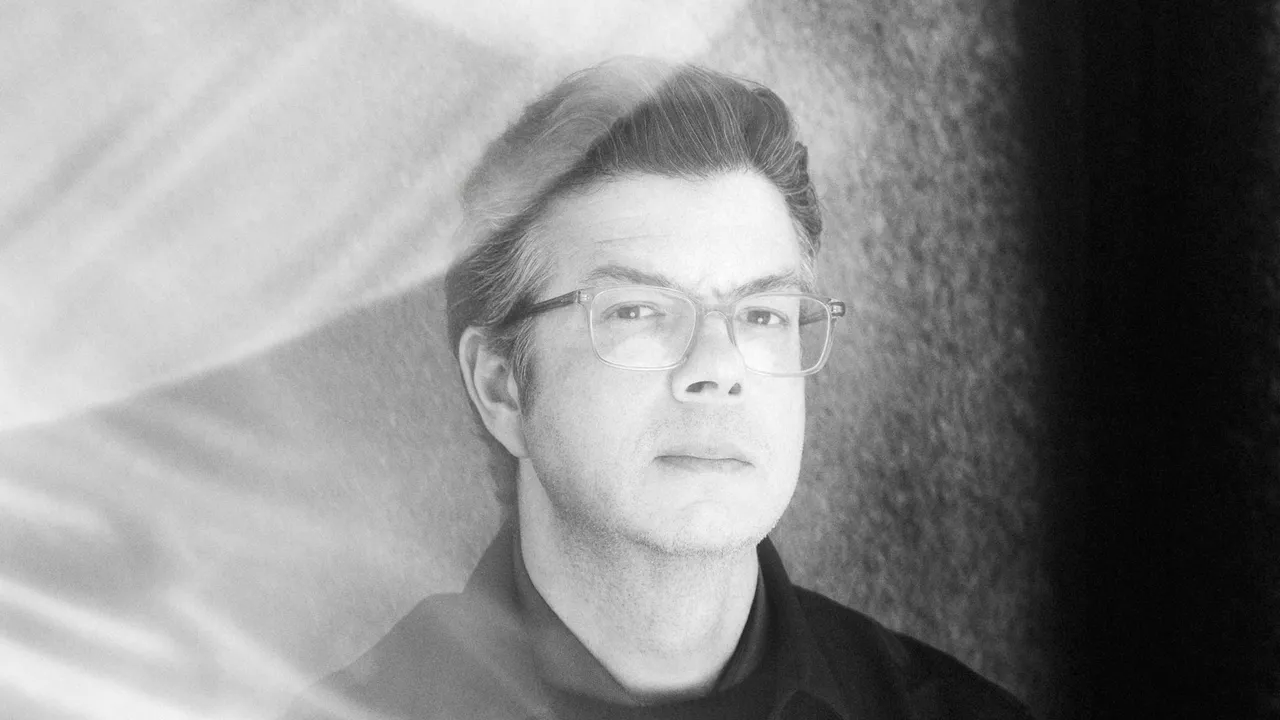
Ben Lerner's new novel, "Transcription," is a concise work, comprising less than 150 pages. While Lerner describes it as "quieter" than his previous three novels, it continues to showcase his rich intellectual depth and artistic ambition, delving into themes such as memory, language, and the complexities of technological change. Lerner, an accomplished poet, gained literary acclaim with his first novel, "Leaving the Atocha Station," published in 2011, and readers eagerly anticipate each subsequent release.
Read More
In "Transcription," the story follows a middle-aged writer on his way to interview his mentor, Thomas, an esteemed artist and scholar in the twilight of his life. Thomas, characterized as both mutable and resolute, draws on Lerner's real-life mentors, including poet Rosmarie Waldrop and filmmaker Alexander Kluge. Just before the interview, the narrator accidentally breaks his phone, his only recording device, which leads to a series of mishearings and misunderstandings throughout the narrative. Earlier this year, Kluge, at 94 years old, read an advanced copy of the book and expressed admiration for it in an email to Lerner before passing away shortly thereafter.
In a recent interview in Brooklyn, Lerner spoke candidly, addressing various themes in "Transcription," including the impact of technology and the nuances of human conversation. With mugs of black coffee on the table, he reflected on the ethical complexities of journalism and his views on interviews. He described his desire for genuine conversation, emphasizing the distinction between on-record and off-record comments due to their shared backgrounds.
The central premise of "Transcription" involves the narrator arriving at Thomas's house without a means to record their conversation. Instead, the dialogue reflects their complex relationship, capturing the essence of the interview that the phone failed to document. The book explores the roles of technology and the artist, raising questions about attention degradation caused by gadgets while also seeking to restore a sense of wonder in how disembodied voices can resonate across different media.
Lerner discussed the themes of superposition and time within conversations, noting how interactions transcend mere exchanges between two individuals, often reaching an audience in the future. The complexity of transcribing spoken words introduces challenges of authenticity and personal representation, as highlighted by Lerner's experiences interviewing other literary figures like Waldrop.
Throughout the conversation, Lerner examined the relationship between voice and memory, suggesting that the act of capturing someone's voice or experience can sometimes fictionalize reality. He expressed how transcripts might distort or elevate the essence of a person, drawing on personal reflections of interviewing his grandmothers.
The discussion turned to the implications of artificial intelligence in the realm of literature and voice replication. Lerner articulated both the allure and the disquiet that such technology can provoke, emphasizing that the art of transcription retains a unique human quality that differs from AI-generated content.
In closing, Lerner reflected on the interplay between art and reality, asserting the value of personal connections forged through creative expression. He conveyed a message that amid rapid technological advancements, there remains an opportunity to reexamine and cherish the human aspects of storytelling and communication.