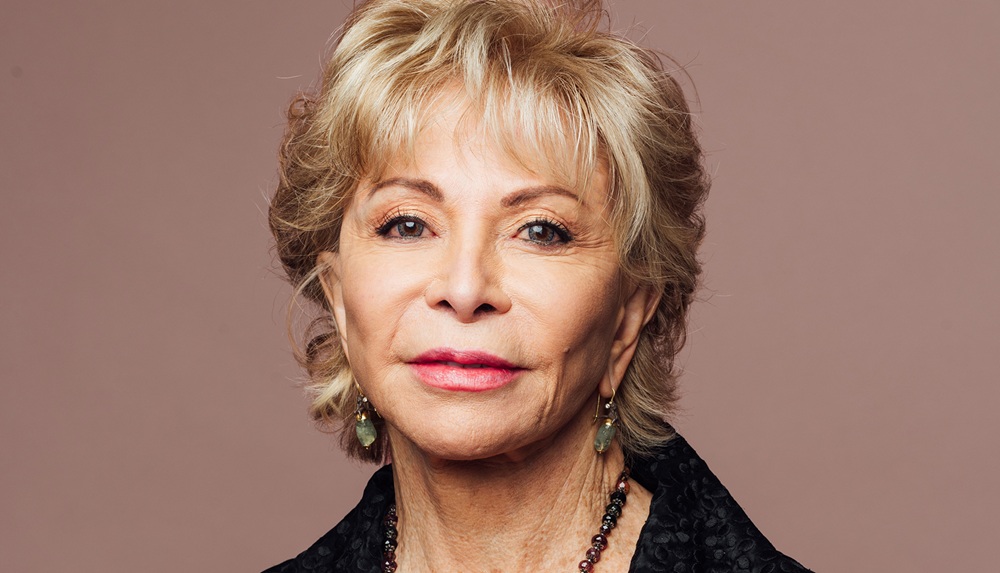
Isabel Allende's novel The House of the Spirits has gained significant attention as it transitions to a new television series set to premiere on April 29, 2026, on Prime Video. Originally penned as a letter to her dying grandfather on January 8, this deeply personal work has now evolved into a sweeping narrative reinterpreted for modern audiences.
Read More
The novel, first published in 1982, has previously been adapted into a film in 1995, directed by Bille August and starring Meryl Streep and Jeremy Irons. However, the new series aims to expand and enrich the story through a broader cultural lens, allowing for more depth than past adaptations.
Allende acknowledges the unique experience of viewing her story through the audience's perspective rather than as its author. While the novel closely reflects her family history, the adaptation adds layers by incorporating diverse creative voices. The series captures the saga of the Trueba family across generations, addressing themes of love, violence, and social and political upheavals.
The incorporation of magical realism, a hallmark of Allende's writing, presents challenges in visual storytelling. She notes that while readers can imagine such elements in a novel, on-screen interpretations can sometimes appear artificial. Unlike the earlier film, which omitted key aspects such as Clara's green hair, the series seeks to incorporate these elements innovatively, utilizing visual cues and tonal shifts to evoke the extraordinary essence of the narrative.
A critical aspect of the new adaptation is its authentic representation of Latino culture, moving away from the Eurocentric casting of previous versions. Allende expresses enthusiasm for this shift, highlighting the importance of representation in enriching the emotional resonance of the story.
The themes of The House of the Spirits resonate powerfully today, reflecting issues such as patriarchy, class division, and systemic violence, which are rooted in Allende's experience of exile in Chile. She notes that these concepts have a universal quality that remains relevant in the current global landscape, marked by political polarization and struggles for equality.
Central to the novel's enduring appeal are its female characters: Clara, Blanca, and Alba. They exemplify resilience in a patriarchal world and reflect strength that Allende observes in her own humanitarian efforts. As the series brings these characters to life, it not only tells a story but also preserves a lineage of family and memory, connecting generations of readers and viewers.
Allende believes that the adaptation serves as a continuity, showcasing a narrative that has evolved from personal grief into a global literary phenomenon, affirming the ongoing relevance of The House of the Spirits.