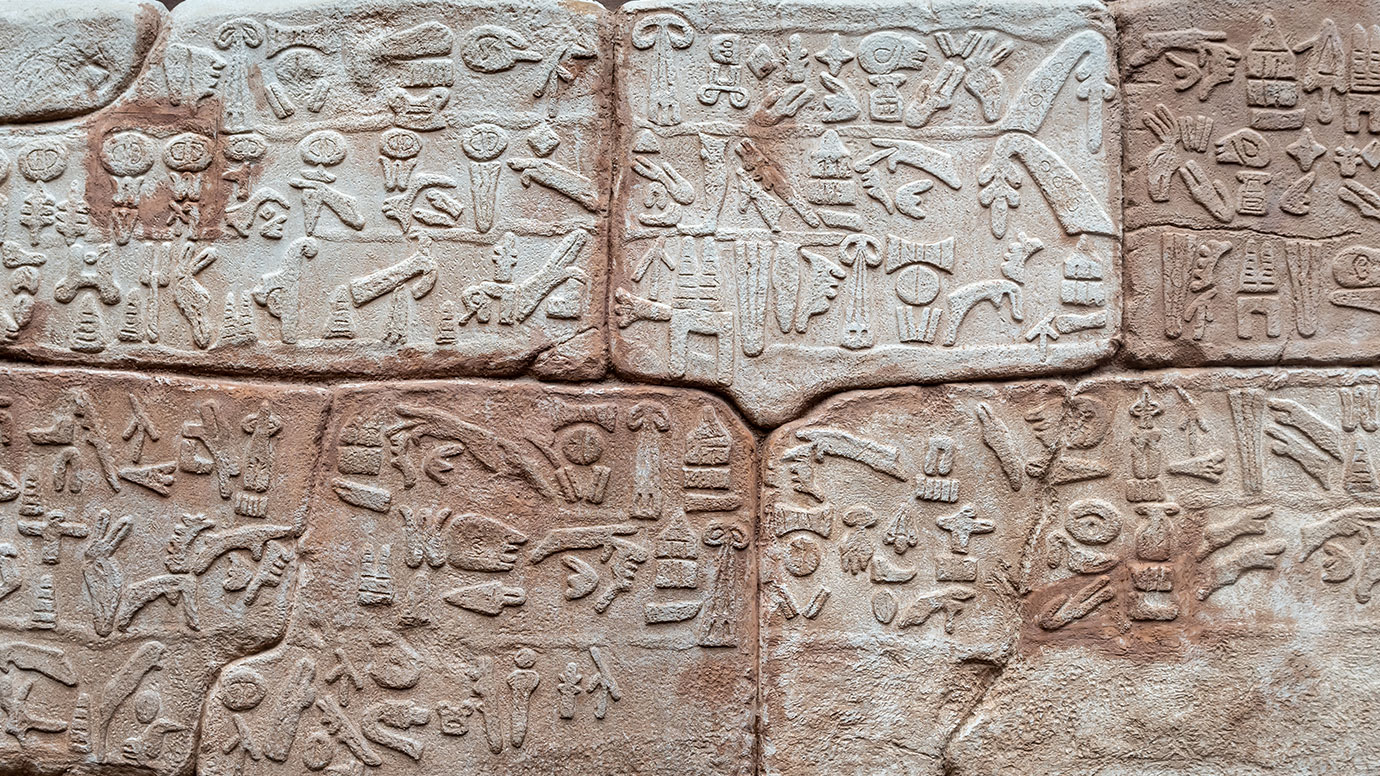
Naomi Harris, a Ph.D. student specializing in Middle Eastern studies and comparative literature, has translated an ancient Hittite poem, “The Moon that fell from heaven,” dating back to the 14th century BCE. This poem depicts a celestial event where the Moon falls to earth and encounters the Stormgod, who surprises it with rain. Harris's translations, including this poem and two others, have been published in The Paris Review, bridging ancient literature with contemporary readership.
Read More
Harris's work marks a significant intersection as an ancient Anatolian hymn appears in a modern literary magazine renowned for featuring works by acclaimed authors like Adrienne Rich and Italo Calvino. Her translations are likely some of the oldest poetry to be featured in the magazine, bringing Hittite rhythms and divine narratives to modern audiences. Harris’s recitations of these works can also be found on the magazine's Instagram, representing the first spoken instances of the Hittite language in over 3,000 years.
Harris's research seeks to explore how beauty persists in fragments and how poetry connects the past to the present. The three translated poems—“Telipinu went” (1450–1350 BCE), “They sent an ox” (late-fourteenth-century BCE), and “The Moon that fell from heaven” (1350–1190 BCE)—all explore themes of departure and renewal, featuring gods, animals, and nature in moments of grief and transformation.
Her academic journey has been shaped by a combination of scholarship, philology, and creative writing, developed during her time at the University of Chicago, where she valued the opportunity to study ancient languages extensively. After earning her AB in English literature and AM in Middle Eastern studies, she entered the Ph.D. program to focus on research in these fields. Faculty members encouraged her to approach translation as both a creative and analytical process.
In her role as a teaching assistant for the course “Anatolian Thought and Literature,” Harris facilitates students' engagement with ancient texts through creative projects. Her students have even recreated ancient recipes, enabling a deeper understanding of historical context.
Harris regards translation as an interpretive act, grappling with the complexities of language and meaning. For instance, the Hittite word “waštul” carries various interpretations such as sin, offense, or simply missing the mark, which imbues the poems with contemporary relevance.
Her journey into translation began with an “Exploratory Translation” course that encouraged students to experiment with diverse strategies. The supportive academic environment at UChicago has fostered her intellectual and artistic development, as she collaborates with fellow students and faculty.
English Professor Chicu Reddy, a member of The Paris Review’s editorial board, recognized the originality of Harris’s translations and encouraged her to submit her work. Reddy noted the freshness of Harris's translations, likening them to the works of celebrated poets like Anne Carson and Alice Oswald.
The editorial board engaged in extensive discussions about how to present these ancient texts to modern readers, exploring fundamental aspects of poetry and translation in the process. Harris’s translations aim to offer these ancient voices a new life beyond academia, bringing them to a broader audience.