Tishani Doshi’s fifth poetry collection, "Egrets, While War," immerses readers in a complex emotional landscape shaped by inherited struggles and the quest for understanding. The theme of making sense of chaos emerges as a central concern, with Doshi employing vivid imagery to convey the coexistence of joy and sorrow. In "Conversations in the After," she writes of poetry’s desire to uplift, stating, "This poem wants to be a bird, / to loosen the gaps in your teeth, so delight can make its way back in."
Read More
However, the backdrop of her work is stark. Doshi addresses the harsh realities of decay and conflict, as illustrated in "Are You Awake?" where she declares, "All night the bodies pile up. / Withered arms cradle / withered pieces of flesh." Similarly, in "War Begins Again," a mother’s grief is poignantly captured as she commemorates the loss of her child.
Each poem juxtaposes opposing forces—kindness and cruelty, hope and despair—indicative of Doshi’s intricate approach to poetry. Her work transcends simple contrasts, delving into deeper intersections that challenge established binaries. This is vividly seen in lines from "Living Through the Apocalypse," where she critiques the narratives that normalize violence.
Imagery plays a crucial role, as demonstrated in "Wasps at the Faucet," which subtly prompts readers to draw connections between nature and contemporary issues, though Doshi intentionally refrains from making overt links. In an interview, she emphasized her interest in the power of imagery, reflecting on how poetry can counteract desensitization in a world overwhelmed by visuals.
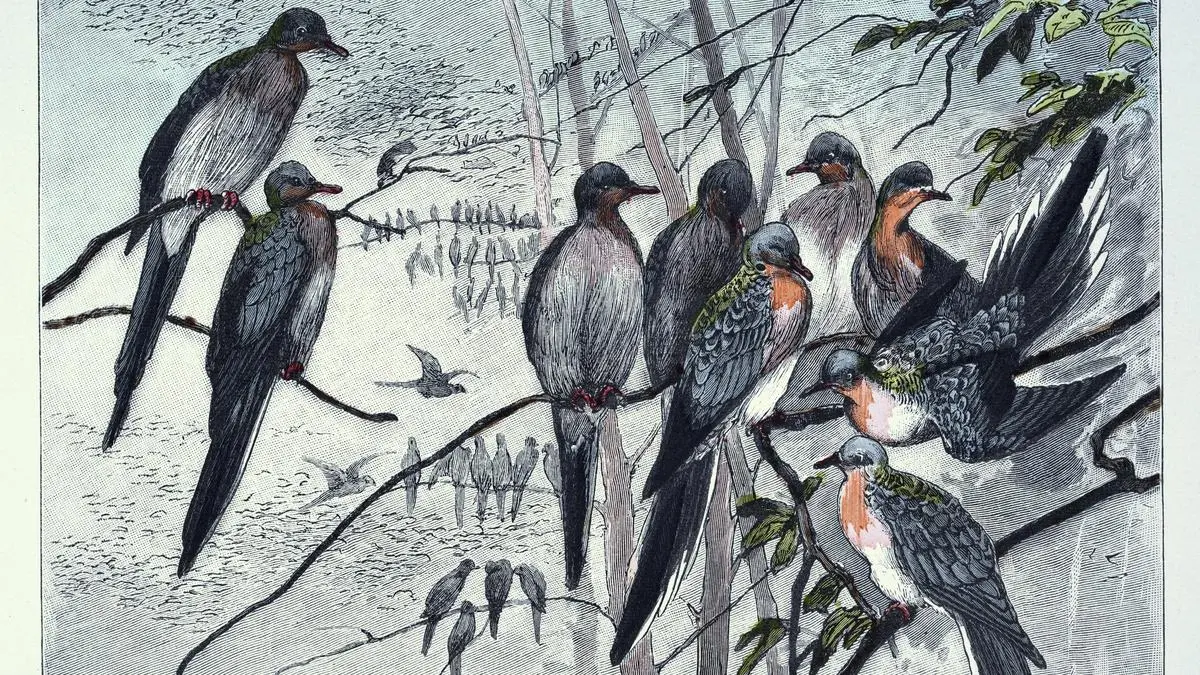
Beyond war, Doshi explores themes of family, ancestry, and everyday bliss, with poems referencing extinct birds and ancestral transformations. Titles like “My Welsh Grandfather Meets My Indian Grandfather on an Unspecified Mountaintop” and “Cutting My Father’s Toenails” showcase her range and creativity.
"Egrets, While War" also captures humor, as seen in "Time in Benares" where the protagonist reflects on karmic consequences humorously. Furthermore, her clever allusions, such as the nod to Raymond Carver, reward attentive readers with deeper connections.
Overall, Doshi’s work is both evocative and cerebral, showcasing her unique voice as she navigates the complexities of contemporary life. Poetry emerges as a vital tool in her exploration of the human condition, bridging emotion with imagery.