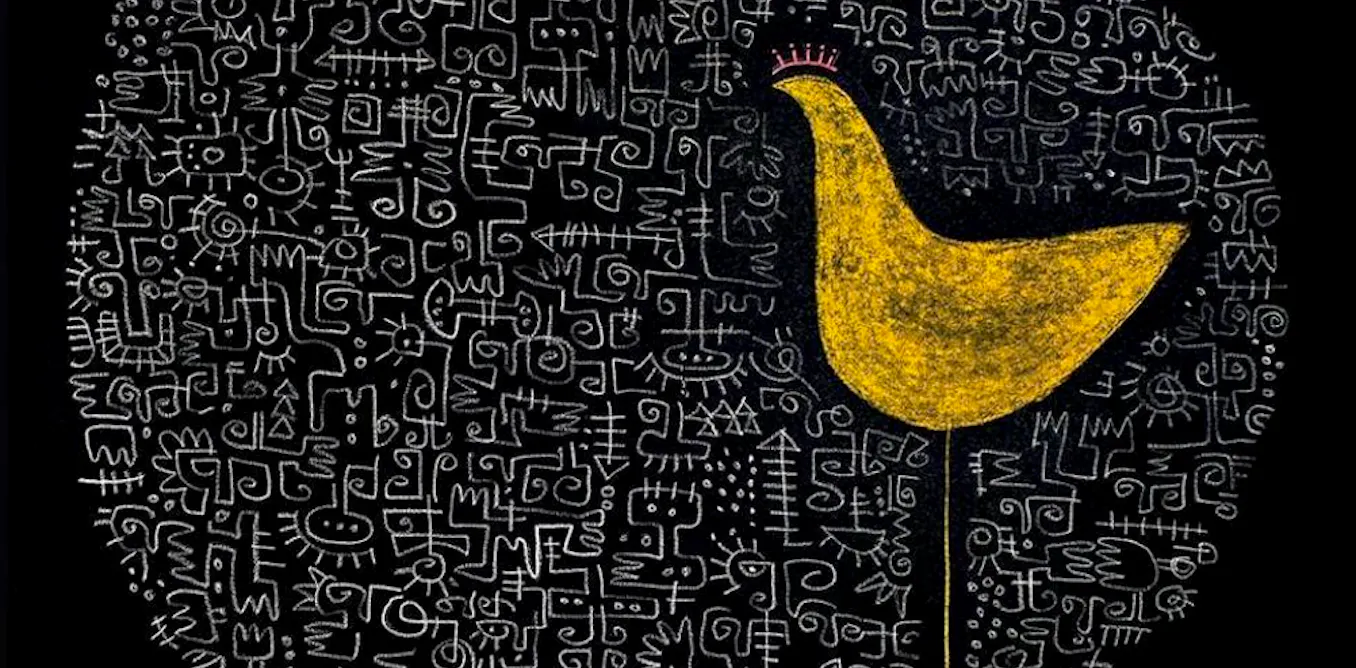
For the past decade, Ghanaian poet Kwame Dawes and Nigerian writer Chris Abani have been identifying emerging African poets through the African Poetry Book Fund. Since its inception in 2014, the fund has built an extensive archive via the New Generation African Poets Chapbook Series, which highlights African poetic talent.
Read More
The series features chapbooks—small publications typically under 40 pages—devoted to individual poets and presented in beautifully designed box sets, each containing ten or more chapbooks. Alongside the poetry, these box sets also include the work of commissioned African visual artists, such as Sokari Douglas Camp and Aida Muluneh.
With over 100 poets published, the series provides a rich portrayal of contemporary African poetry. The project’s 10th anniversary is marked by a new anthology titled Toward a Living Archive of African Poetry, edited by Jordanian writer Siwar Masannat. This anthology compiles Dawes and Abani’s insightful introductions to the box sets and features a foreword by Masannat, exploring the transformative impact of the chapbooks on the visibility of African poets over the past ten years.
Although the series centers on Africa, it predominantly features poets from the diaspora, with many based in the US and UK. This geographical imbalance arises from better access to workshops and resources for diaspora poets, which influences the archive’s composition. Nigeria plays a significant role in shaping the series' aesthetics, reflecting the country's rich literary networks.
Many poets in the series identify as “hyphenated Africans”—such as Somali-American and Ghanaian-British—claiming their identity through personal history rather than geography. The editors assert that all participating poets define their Africanness in intricate and meaningful ways, emphasizing the project's expansive view of African poetry that transcends nationalist interpretations.
The series has also been proactive in promoting gender equality, featuring prominent women poets like Warsan Shire and Safia Elhillo. This focus signals a significant feminist shift in African poetry, offering a platform for women's voices and fostering a generational continuity in feminist expression.
The range of poets, from 1963 to 2007, fosters an intergenerational conversation. Older poets often address socio-political issues rooted in post-independence contexts, while younger poets explore themes like identity and decoloniality with innovative, digital fluency. For example, Ghanaian poet Tryphena Yeboah expresses modern notions of belonging and home, while South African poet Ashley Makue confronts trauma and inherited violence in a visceral manner.
Overall, the New Generation African Poets Chapbook Series has played a crucial role in the evolution of African poetry, presenting a vibrant and dynamic archive of voices. Dawes and Abani guide readers through this living archive with their dual introductions, facilitating discussions on identity and the nature of poetic expression.
By showcasing new talents, the African Poetry Book Fund demonstrates the importance of poetry as a means to articulate the complexities of the African experience. This initiative not only promotes publications but also supports African poetry libraries and maintains a digital archive.