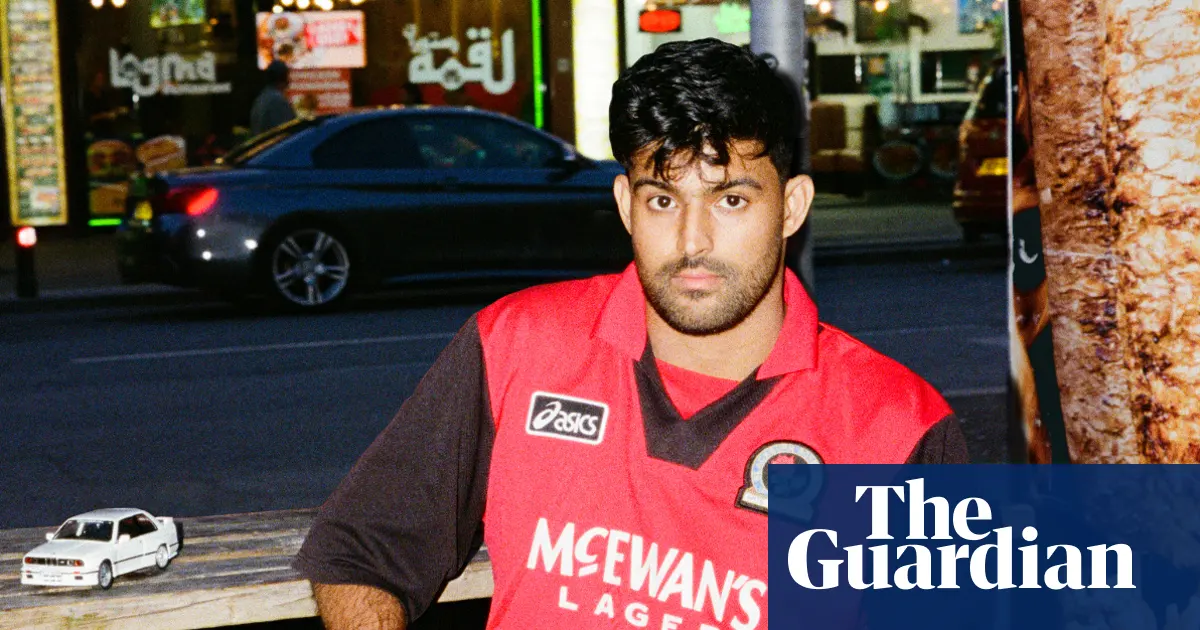
Sufiyaan Salam's debut novel, Wimmy Road Boyz, follows three young men driving through Manchester's Curry Mile, dreaming of an impossible night amid chaos. The book captures the essence of masculinity, violence, and love, while exploring the nuanced ways young British men express their emotions.
Read More
At 28, Salam represents a new wave of literary voices. Growing up in Blackburn, he faced racial tensions and poverty. He recalls feeling out of place in post-9/11 Britain, often trying to appear less threatening by adopting certain aesthetics. His upbringing provided him with a diverse array of experiences, which now inform his writing.
After studying English literature at Manchester University, Salam initially viewed writing as an unrealistic career. His path to publication began after he attended a friend's book launch in 2022, igniting a desire to write. A short story derived from his novel won acclaim, leading to him entering the #Merky books prize, which he won in 2024.
Stormzy, who established the imprint, surprised Salam at the award ceremony, marking a transformative moment for the author, despite returning immediately to his job as a scriptwriter at the BBC.
Wimmy Road Boyz features a blend of styles, incorporating elements of play, poetry, and rap. Salam intentionally merges high literary prose with raw, youthful vernacular, aiming for a duality that reflects both Shakespearean and hip-hop influences.
His inspirations span various works, including Trainspotting and Kendrick Lamar's album good kid, m.A.A.d city. Written predominantly in lowercase, the novel embraces a playful and experimental language that includes niche cultural references. Salam stands firm against self-censorship, believing in the value of authenticity in storytelling regardless of its complexity.
The narrative also addresses broader issues such as mental health, emotional expression, and the societal performance of masculinity. Salam reveals that a significant personal experience inspired him to question the façade often presented by men during social interactions.
With a deliberate effort to avoid moralizing or simplistic narratives about identity, Salam seeks to portray his characters as complex individuals whose struggles extend beyond their ethnic backgrounds. He critiques the concept of the