A poet recently likened biographers to long-haul truckers, emphasizing the time, fortitude, and expertise required in the field. This labor-intensive genre often takes shape later in a writer's career, typically after years of work in literary scholarship or journalism.
Read More
When I began my first biography at age thirty—a project that would span two decades—my mentors were seasoned biographers like Justin Kaplan, known for his works on Twain and Whitman, and Robert Richardson, who chronicled Thoreau and was focused on Emerson. I attempted to organize a writing group of women biographers, but they were all much further along in their careers than I was, leaving me without contemporaries and lacking structural support.
After many attempts, I secured a fellowship from the National Endowment for the Humanities (NEH), competing primarily with academics on the tenure track, and identified myself as an “independent scholar.” I also won a Guggenheim Fellowship against considerable odds. Nevertheless, there were long stretches when my book was sidelined or went unnoticed.
Today, prospects for emerging biographers have significantly improved, illustrated by the recent release of three noteworthy biographies. I have met each of these authors through the Biographers International Organization (BIO), established in 2009 to foster connections among biographers, offer grants for early-stage writers, and provide annual conferences. Over the years, this network has cultivated a more collegial and youthful community.
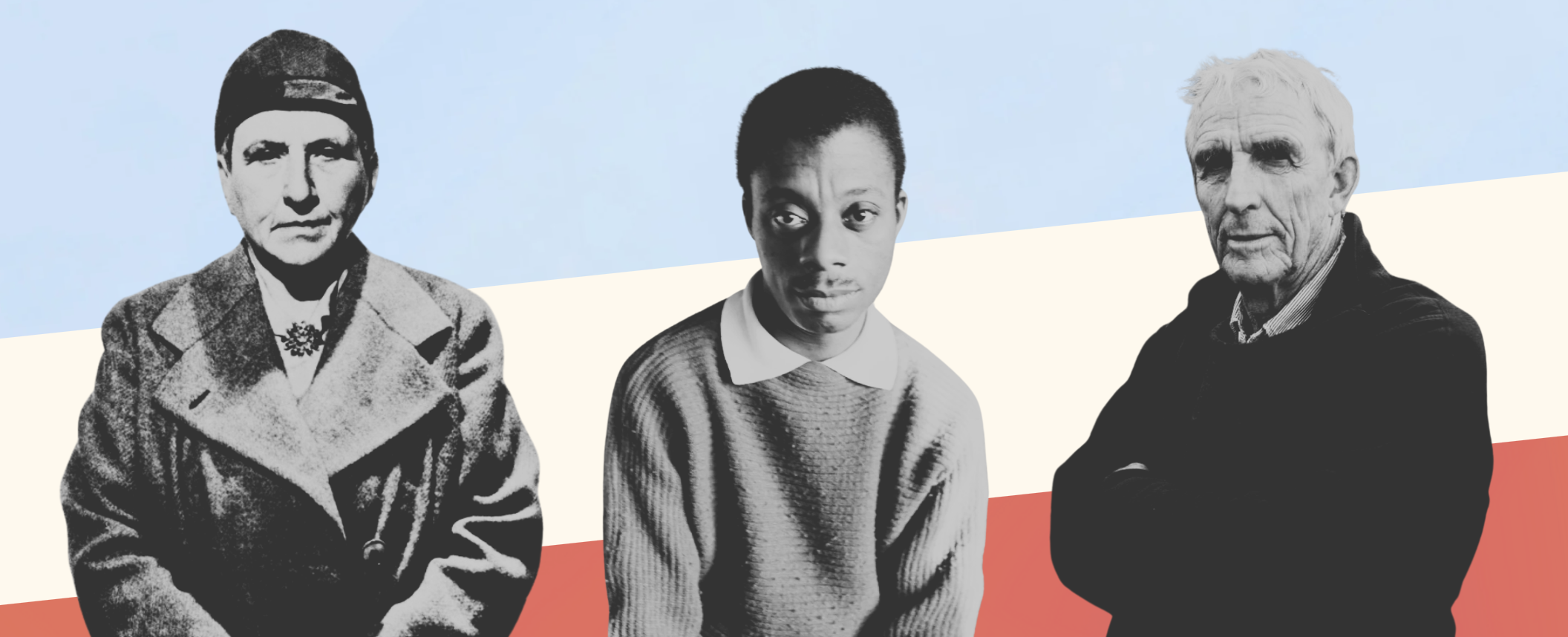
As I enter my fifth decade as a biographer, I take pride in the emergence of numerous talented younger writers. Nicholas Boggs, Francesca Wade, and Lance Richardson each released remarkable biographies this season, focusing on 20th-century literary figures: James Baldwin, Gertrude Stein, and Peter Matthiessen, respectively.
The three authors were awarded the prestigious Leon Levy Center for Biography Fellowship five years ago during the Covid-19 pandemic, which limited their access to in-person gatherings. They adapted by participating in virtual workshops led by Kai Bird, the center's Executive Director and a Pulitzer Prize winner.
Founded in 2007 with support from the Leon Levy Foundation, the center offers four fellowships of $72,000 each year, along with additional funding for biographies in the sciences. This year's full group also included Susan Morrison, whose biography of Lorne Michaels, creator of Saturday Night Live, was published in February, and Miriam Horne, whose biography of naturalist George Schaller is set for release in April 2026.
The fellowship program fostered strong connections among the five writers. Boggs noted it was a “life-changing” experience, while Wade described it as a “lifeline during the pandemic.” The collaborative workshops provided invaluable feedback and encouragement, allowing authors to share insights and challenges.
Boggs anticipated a positive reception for his biography, Baldwin: A Love Story, scheduled for release soon. Early reviews from Publishers Weekly and other outlets have been promising. His journey with Baldwin's work began in a college course in 1996; nearly three decades later, he realized the project had grown into a full biography. Boggs's narrative highlights Baldwin’s struggles with poverty, racism, and his exploration of same-sex love, amidst a backdrop of a literary establishment that often marginalized him.
Wade's exploration of Gertrude Stein stemmed from new archival documents she accessed prior to the pandemic. Her book, Gertrude Stein: An Afterlife, investigates Stein's life and relevance, drawing on previously restricted interviews and manuscripts. Wade structured her biography into two parts, presenting a refreshed perspective on Stein’s complex legacy and the significance of her relationships.
Richardson's True Nature chronicles Peter Matthiessen’s multifaceted life, merging nature writing with a broader literary and social context. Unlike Boggs and Wade, Richardson was tasked with building a biography from scratch, interviewing many of Matthiessen’s associates while striving to present a comprehensive picture of his subject's life.
The challenges faced by biographers today are compounded by changing funding landscapes. While NEH fellowships continue, other support programs have faced cancellations. Nonetheless, the persistence of institutions like the Cullman and Levy centers is crucial for nurturing the next generation of biographers. As they publish their works, Boggs, Wade, and Richardson contribute to a deeper understanding of diverse narratives in contemporary biography.
After years of engaging with biography as both a subject and profession, I found renewed enthusiasm through the works of these emerging biographers. Their books revitalized my appreciation for the genre by presenting intimate portraits of their subjects, demonstrating the transformative power of storytelling. Amid ongoing challenges in the field, these biographies illustrate essential truths about life, offering readers both fictional and real experiences that resonate in today's world.