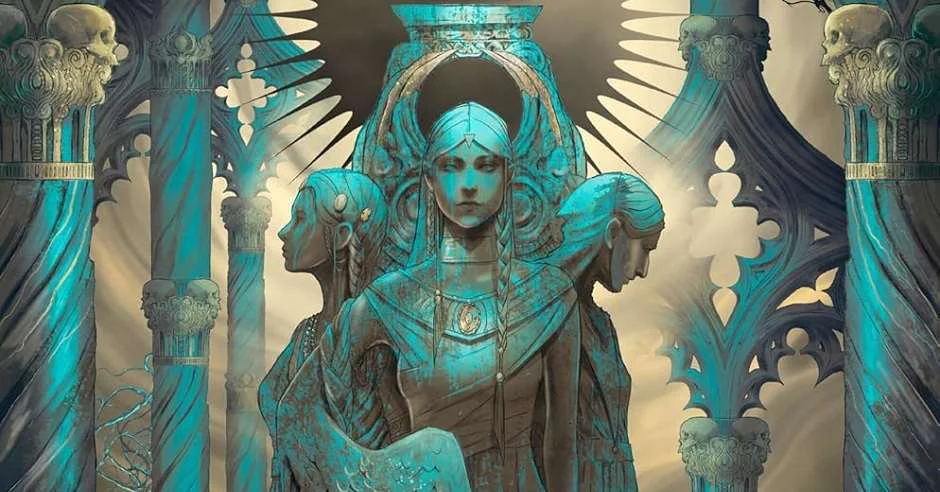
Mark Lawrence, a prominent figure in the grimdark fantasy genre, returns with his latest novel, Daughter of Crows, the first installment of the Academy of Kindness trilogy. Known for his incisive prose and complex characters, Lawrence built his reputation with works such as the Broken Empire series and the Library Trilogy. In Daughter of Crows, he explores themes of vengeance and morality while drawing inspiration from Greek mythology, particularly the Furies, who are central to the narrative.
Read More
In a recent interview, Lawrence discussed how his approach to writing dark themes has evolved. He mentioned that, while the stories may differ, his core perspective on darkness has remained consistent. Rather than view this book as a stark change in direction, he sees it as an opportunity to tell a different story with new character dynamics. The protagonist, Rue, represents this shift: she is a multifaceted character shaped by age and experience, contrasting significantly with the younger, more entitled characters of his earlier works.
Lawrence emphasized the distinction between youthful and elderly perspectives in storytelling. As Rue navigates her journey, he captures the nuances of aging, including the disappointment of physical limitations and the weight of past decisions. He noted that while Daughter of Crows is steeped in grimdark themes, it takes a reflective stance on violence and revenge, portraying them more as burdens rather than avenues for catharsis.
The Academy of Kindness, described by Lawrence as less of a traditional magic school and more akin to a societal critique, plays a significant role in establishing the story's tension. It serves as a mechanism of fear and control within the narrative. The fusion of various mythological elements provides a rich backdrop for the exploration of justice and morality, which Lawrence does not treat as black and white.
Throughout the novel, Lawrence weaves memories and time as recurring motifs, examining how they shape a person’s identity. He reflects on his fascination with memory in his previous works, suggesting that Daughter of Crows explores these themes from the vantage point of an older character contemplating her past.
While Lawrence acknowledges his signature dry humor, he uses it sparingly in this novel, aligning with Rue’s character, who is not naturally inclined toward levity. He stresses the importance of knowing when humor is appropriate within the darker narrative context.
As Daughter of Crows unfolds across multiple timelines, Lawrence illustrates the impact of past choices on present actions. He approaches narrative structure with a sense of spontaneity and personal engagement, prioritizing a storytelling experience that entertains both himself and the reader.
Lawrence describes Daughter of Crows as a culmination of many themes explored throughout his career, yet it also marks a pivotal moment in his character development and thematic exploration. His continuous questioning of memory, identity, and the nature of justice resonates throughout the book, which he presents not as a philosophical treatise but as a dark fantasy adventure. Readers can anticipate a rich, contemplative journey that retains the essence of Lawrence's grimdark storytelling.