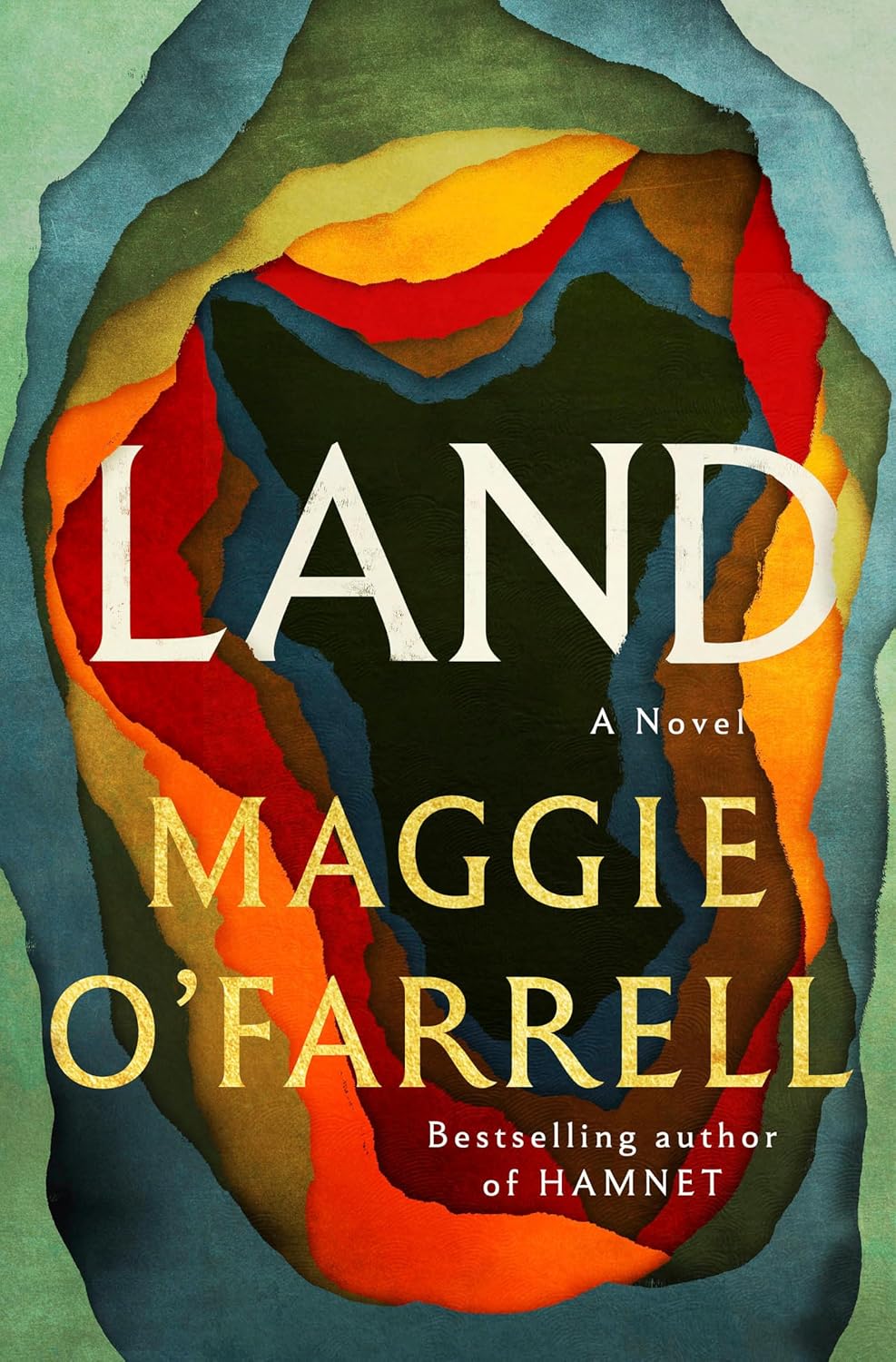
Maggie O’Farrell’s latest novel, *Land*, delves into the profound connection between people and their land, specifically set in post-famine Ireland. The narrative begins in 1865, a time when the country is still healing from the devastating effects of the Great Hunger, which lasted from 1845 to 1849 and resulted in the deaths of a million people and the emigration of another million.
Read More
The story introduces Tomás, a skilled cartographer, and his son Liam, who struggles with his father's transformation after Tomás explores a previously unmapped copse with a magical spring. Upon returning, Tomás is drastically changed, adorned with greenery and speaking Irish, leading Liam to fear his father's sanity. Their predicament intensifies as parish priest Father Joseph suspects Tomás is possessed, leading to an attempted exorcism.
After a difficult period, Tomás rejoins his family in a Dublin tenement, where he and his wife Phina, who share a painful history of survival and exploitation in a workhouse, navigate their challenging life with their two daughters. Enda, the eldest, is restless and defiant, while the younger Rose is nurturing and gentle. As Tomás's fortunes wane, he makes a unilateral decision to rent land near the enchanted copse, relocating the family to the rugged southwestern coast of Ireland. Their new life is marked by the arrival of a silent fourth child, Eugene, who remains an enigmatic presence.
Over the years, the family faces a series of tragedies and betrayals, leading to a disintegration of their unity. O'Farrell paints a Dickensian picture of hardship, yet she contrasts this with the natural beauty of the Irish landscape, which reflects deeper themes of identity and heritage. O'Farrell's nuanced prose often reveals how familial ties and shared histories shape individual lives, as reflected in Liam’s realization that a father and son cannot truly be separated.
*Land* is O’Farrell’s tenth novel, following her acclaimed debut as a literary star with *Hamnet*, which spurred interest in her work. The success of *Hamnet* and its subsequent film adaptation has positioned *Land* for attention, as its film rights have also been acquired. While comparisons to her previous works are inevitable, the depth and emotional resonance of *Land* establish it as a significant addition to O’Farrell's oeuvre.