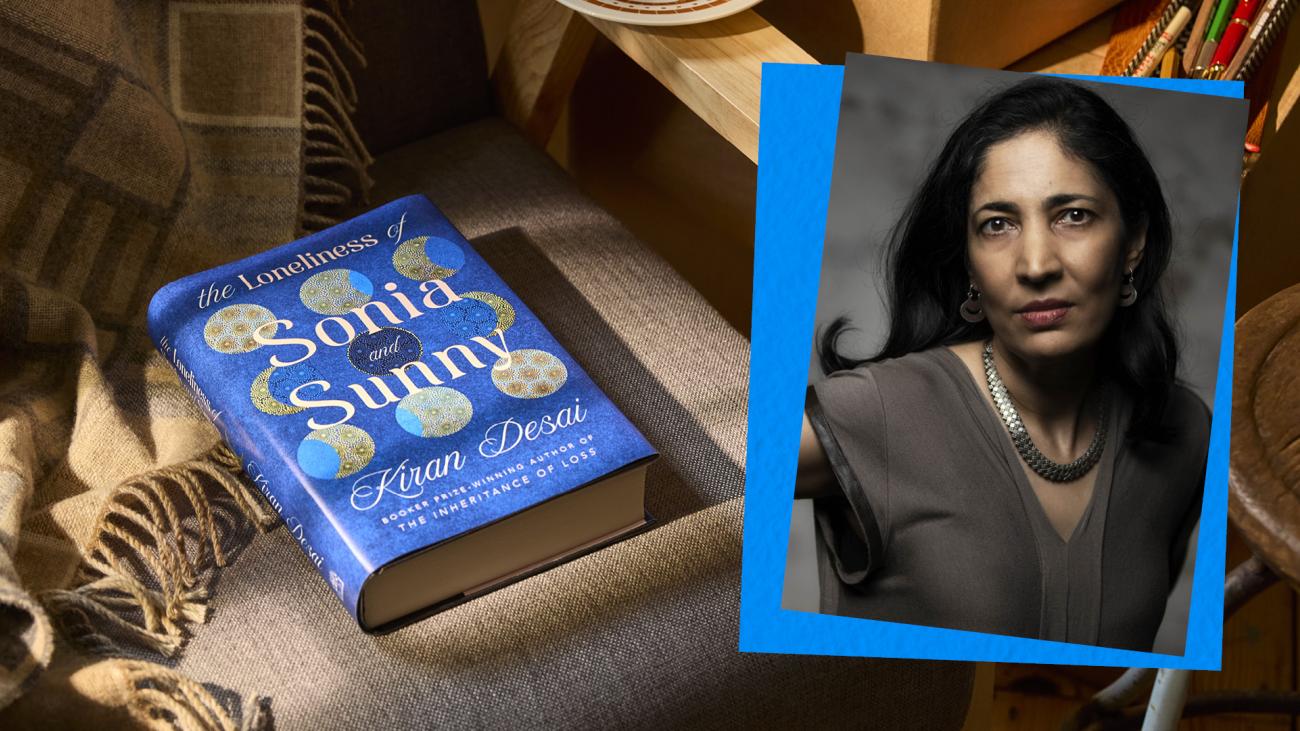
Kiran Desai, the author behind a Booker Prize-longlisted novel, explores love and loneliness in today's globalized world in her latest work. She aims to create a contemporary romance infused with timeless beauty, diverging from traditional Indian love stories that often revolve around a single community or location. Her characters, Sonia and Sunny, navigate love's complexities across Europe, India, and America, prompting reflections on identity and belonging.
Read More
Desai's narrative expands beyond romantic loneliness to tackle broader issues of class, race, and international distrust, mirroring the rapid changes in contemporary society.
Reflecting on her literary inspirations, Desai shares that Kenneth Grahame's *The Wind in the Willows* sparked her love for reading during her Indian childhood, complete with a collection of English children’s literature. The book, particularly its themes of home and adventure, left a lasting impact on her.
Transitioning to the works that influenced her desire to write, she cites Italo Calvino, particularly *The Baron in the Trees*, as a significant influence. Desai created her own version of the tree-dwelling boy while being drawn to Calvino’s playful spirit. She later discovered Calvino’s *Six Memos for the Next Millennium*, which resonated with Eastern philosophical principles, deepening her interest in the intersection of art and spirituality.
Among the books that have profoundly affected her worldview, Desai mentions *Pedro Paramo* by Juan Rulfo. Learning that Gabriel García Márquez held it in high regard encouraged her to reflect on the narratives of displacement and loss within immigrant stories. The story's haunting essence reinforces her belief in the necessity of cultural dialogues beyond colonial legacies.
Desai also discusses the transformative power of Salman Rushdie’s *The Moor’s Last Sigh*, which contrasts the experiences of minority communities in India with mainstream narratives. The novel inspired her to champion minority voices and perspectives, seeing them as integral to both society and literature. In her reflection, she recognizes the shared identities of the characters, emphasizing their rootedness in Indian culture.