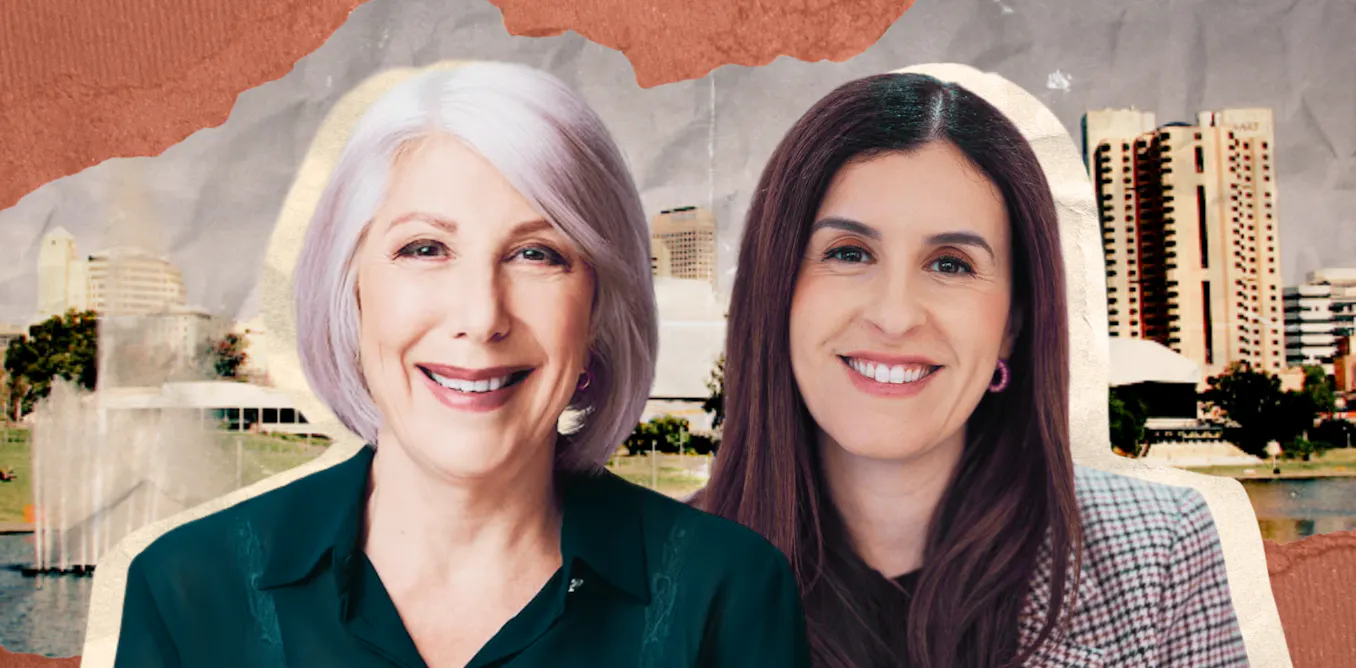
Adelaide Writers' Week for 2026 has been cancelled, just days after Randa Abdel-Fattah, a Palestinian-Australian writer, was disinvited by the Adelaide Festival board. This decision followed significant opposition from Writers' Week director Louise Adler, who resigned on the same day the cancellation was announced. The remaining board members also intend to resign, with the exception of the Adelaide City Council representative, who will remain until their term ends on February 2.
Read More
Adler described the cancellation as "no surprise" and expressed her disappointment over what she called a "masterclass in poor governance". She conveyed her thoughts to the Guardian regarding the situation that unfolded.
Last week, the board stated that programming Abdel-Fattah would not be culturally sensitive in light of recent events following attacks in Bondi. They referenced her "past statements", albeit without implying any connection to her writings. One such statement involved her comment on social media asserting that Zionists "have no claim or right to cultural safety".
In light of the controversy, the board issued an apology to Abdel-Fattah for how their decision was communicated, emphasizing that the matter was not about identity or dissent but rather about the ongoing shift in national discussions around freedom of expression following Australia’s worst terrorist attack.
The situation escalated over the weekend with the resignation of three board members. Marque Lawyers, representing Abdel-Fattah, requested information regarding the board’s decision for potential legal actions. By Monday, board chair Tracey Whiting had also resigned.
More than 180 presenters withdrew from Writers' Week prior to its cancellation, including notable figures such as Zadie Smith, former New Zealand Prime Minister Jacinda Ardern, M. Gessen, and Yanis Varoufakis, as well as prominent Australian authors like Helen Garner, Hannah Kent, and Trent Dalton.
The board's statement indicated that the resignation of remaining members was intended to facilitate a smooth transition to a new governance structure aimed at ensuring the future success of the Adelaide Festival.
Critics have noted that there were no artists or writers on the Adelaide Festival board, leading to calls for better representation in leadership roles within arts organizations. Jennifer Mills, chair of the Australian Society of Authors, expressed her anger over the incident, stressing the necessity for artist representation at the governance level.
The role of the board in arts organizations is generally one of governance rather than management. Boards are expected to offer strategic oversight and ensure accountability, but recent trends have seen them prioritize organizational risk in ways that conflict with artistic execution.
The Australian arts sector typically maintains a separation from political influence. However, questions have arisen regarding political pressure in Abdel-Fattah's case, especially in light of South Australia Premier Peter Malinauskas’ public comments. He denied exerting any influence over the board’s decision-making process amid an upcoming state election.
South Australian Greens MLC Robert Simms has called for an independent review involving the arts community to address issues of governance. Many observers, including Mills, have raised concerns about the decision-making processes within the board and its implications for the arts community.
Recent events reflect ongoing issues in arts governance, with institutions like the State Library of Victoria and Creative Australia facing similar scrutiny over their decisions impacting artistic freedom and independence.
In response to the controversy, voices in the arts community are advocating for greater recognition of those with substantial knowledge of the arts in leadership roles. Adler highlighted the disconnect of board members lacking in arts experience and their response to perceived political pressures, calling for a reconsideration of future governance models.
Going forward, the Adelaide Festival board recognizes the importance of re-engaging with its stakeholders and community, as it works to address the fallout from this week’s events.