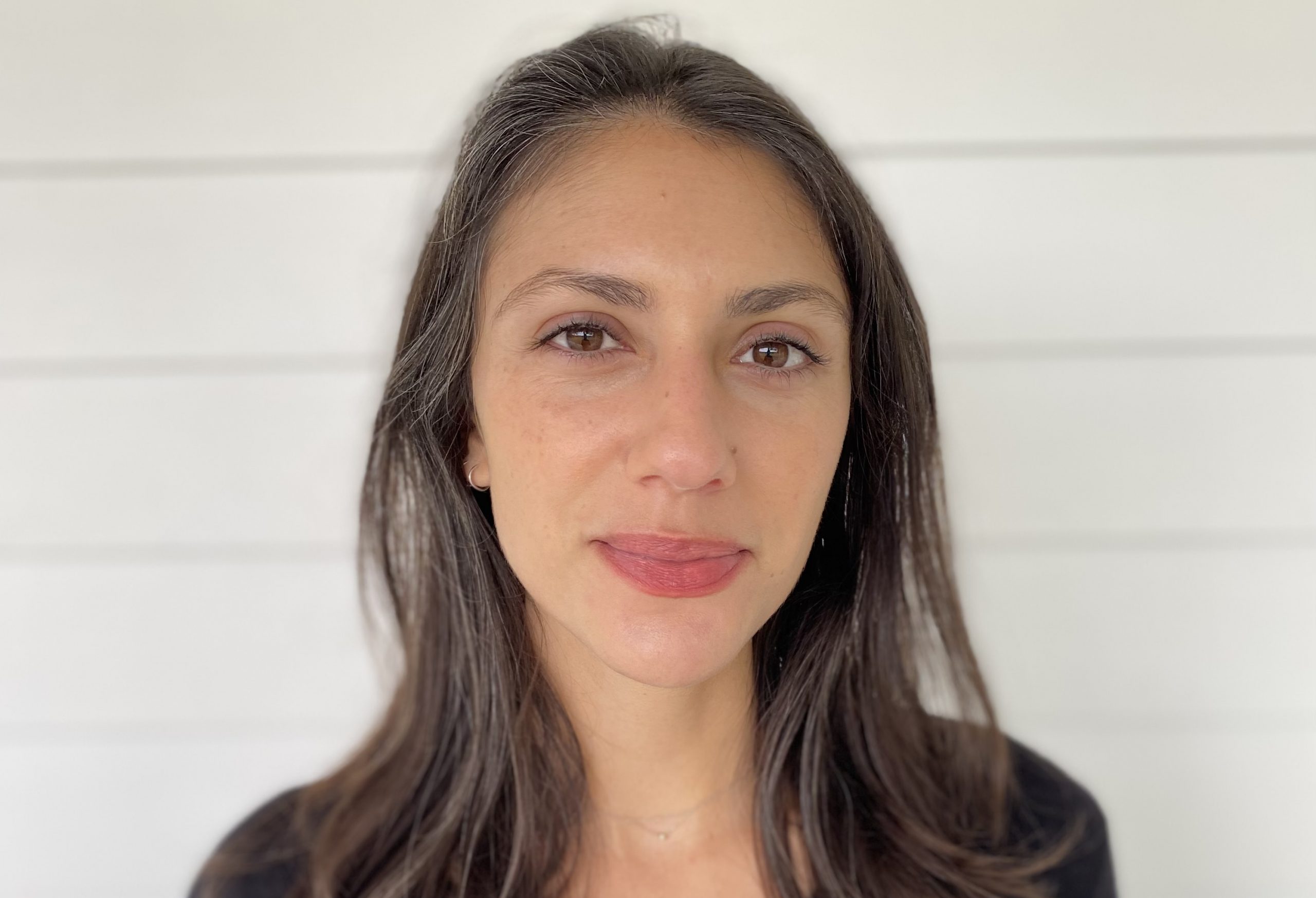
Emma Ramadan, a literary translator from Rhode Island, has completed over two dozen full-length translations from French, including recent works like Anne Garréta’s *In Concrete* and Kamel Daoud’s *Zabor, or the Psalms*. She earned a BA in comparative literature from Brown University and an MA in cultural translation from the American University of Paris. Ramadan's projects often focus on experimental works and connections to North Africa. In a conversation during summer 2021, she shared insights into her creative process and the role of translation in contemporary contexts.
Read More
Ramadan explained that the books she chooses to translate often share commonalities that resonate with her as a reader. She is particularly drawn to experimental literature, especially by women-identifying authors, that explores darker themes. Her interests also extend to expansive, world-building narratives, such as Daoud’s *Zabor* and Marcus Malte’s *The Boy*, which exhibit stylistic kinships with influential authors like Marguerite Duras and Abdellah Taïa.
Most of her projects originate from her own discoveries, which she pitches to publishers, although some projects come directly to her from publishers. Her journey began with her first published translation, Garréta’s *Sphinx* (2015), which she stumbled upon while researching constrained writing techniques within the Oulipo group. After reading it, she realized no translation existed, prompting her to pursue the project despite the challenges it posed for a first-time translator.
When discussing her method, Ramadan noted that her collaboration with authors varies. In cases involving living authors, she engages closely with them. Garréta, whose works she translated multiple times, provided significant input, especially for *Not One Day* (2017) and *In Concrete* (2021). Their collaboration included discussions about language nuances and cultural references, particularly during the pandemic, where they communicated through Zoom to tackle specific challenges in translation.
Ramadan highlighted the complexities of translating experimental literature, often negotiating between fidelity to the original text and the constraints of the target language. For instance, translating *Sphinx* required her to convey a genderless narrative in English, which added layers of complexity beyond just gendering characters. Similarly, the wordplay in *In Concrete*, while brilliant in its original form, posed a significant challenge in maintaining both humor and narrative essence during translation.
The translator described her process as initially messy, beginning with rough drafts to capture all components before refining the text in subsequent drafts. Reading aloud plays a crucial role in her revisions, allowing her to identify issues with flow and repetition.
Ramadan also reflected on the communal aspect of translation, contradicting the notion of it being a solitary endeavor. She emphasized the importance of building relationships with authors, peers, and co-translators, which contribute to a supportive community. She sees translation not only as a bridge to different cultures but also as a form of care work that enhances empathy among readers.
Regarding the current geopolitical landscape, she expressed that translation can help combat nationalism by promoting diverse voices and showing that quality literature exists beyond American borders. Her dedication to representing varied perspectives stems from her personal background and experiences. She aims to responsibly portray voices from underrepresented groups, ensuring her work reflects their nuances rather than oversimplifying their narratives.
For those interested in beginning translation work, Ramadan advised selecting a book that resonates personally, along with practicing patience throughout the process. Passion for the material can sustain motivation through the inevitable challenges of translation.