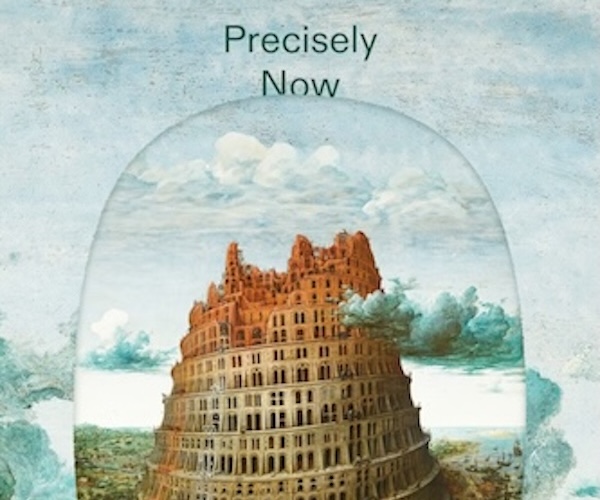
Lawrence Joseph's latest collection, "Precisely Now," published by Farrar, Straus and Giroux, delves into themes of war, racism, and societal despair, interspersed with moments of profound love and sensory awareness. This 96-page work, priced at $18, showcases Joseph’s unique perspective as both a lawyer and a poet, employing a prophetic voice that critiques contemporary issues.
Read More
Joseph's poetry is marked by a deep engagement with moral decay and personal loss, confronting a world that often feels overwhelming. He writes of the need to strip away falsehoods, much like a modern-day Jeremiah. Within his verses, he captures the realities of urban life, writing, "Same same, old changing same, rain turns into sleet..." and highlighting the disconnect between hope and despair.
He finds solace in simple pleasures, expressing a direct connection to the natural world: “who and what I love will not be rent from me.” This tenderness stands in stark contrast to the overarching themes of violence and injustice. His work reflects a wide-ranging catalog of societal failures, from bombings and executions to the personal struggles of identity and health.
Joseph's background as a lawyer influences his poetic style, which at times mirrors legal argumentation. He critiques governmental practices and societal structures, illustrating a demand for justice for the marginalized: “government treat the poor like inventory.” Yet, throughout this examination of societal ills, the speaker’s emotional depth—intense fury intertwined with a call for love—remains present.
The collection acknowledges a sense of historical displacement, contrasting a nostalgic past with an unsettling present. Joseph's experiences growing up in Detroit infuse his work with a regional sensibility as he navigates broader American and global contexts.
The final poem offers a glimmer of hope amidst bleakness, showcasing light as a metaphor for love and intimacy. Although much of the collection is steeped in darkness, Joseph uses evocative imagery, such as cherry trees in bloom, to suggest the possibility of renewal.
"Precisely Now" raises significant questions about societal action and personal responsibility, echoing the struggles of poets like Allen Ginsberg. Ultimately, Joseph invites readers to confront their current realities while holding onto affirmations of love even amidst chaos.
J. Kates, a poet and reviewer, underscores these themes while reflecting on his own journey in contemporary literature, as he continues to champion works that bridge cultural divides.