The literary landscape of 2026 has already produced several notable works, ranging from captivating heists to poignant explorations of generational loss.
Read More
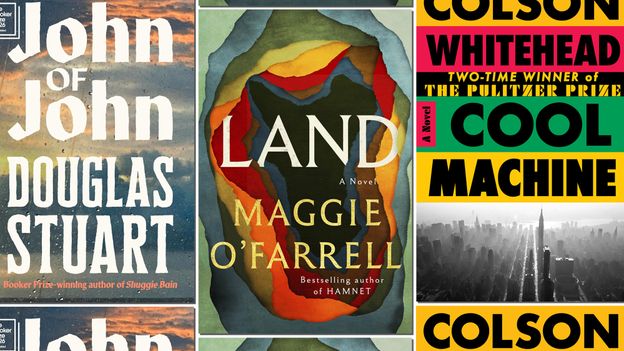
**John of John** by Douglas Stuart follows 22-year-old art student Cal as he returns to the Isle of Harris in Scotland, where tensions rise with his father, John, a farmer and deacon. The story delves into John’s secret relationship with his friend Innes MacInnes, offering a powerful examination of loneliness and alienation. Critics, including The Herald Scotland, have praised it as one of Stuart's best works yet, highlighting its emotional depth and complex themes.
**Land** by Maggie O'Farrell is set in 1865 and centers on mapmaker Tomás and his son Liam, who survey the Irish landscape post-great hunger. Tomás experiences a profound shift in perspective after an encounter at a mysterious spring. The New Statesman calls it O'Farrell's best work, describing it as both epic and intimate, blending vivid imagery with an emotional narrative.
**Cool Machine** by Colson Whitehead completes his Harlem Trilogy, showcasing the protagonist Ray Carney embarking on a bold heist in 1980s New York. The LA Times describes it as an "American epic disguised as a heist novel," while the Washington Independent Review of Books refers to it as a "dazzling" page-turner that masterfully combines genres.
**Country People** by Daniel Mason chronicles a family’s move from California to New England over a year. It highlights Miles' interactions with a group of local eccentrics and is noted for its witty prose and joyful tone, drawing comparisons to Nabokov's work in The Guardian.
**Yesteryear** by Caro Claire Burke is a satirical thriller about tradwife influencer Natalie, who wakes up in 1855 and must navigate the hardships of rural life. Vogue commends its clever writing and humor, while the LA Times highlights its modern twist on reality versus perception.
**Transcription** by Ben Lerner involves a writer interviewing a 90-year-old former mentor, Thomas, whose declining health adds urgency to their interaction. The story offers a deep reflection on technology and memory, receiving accolades for its intricate narrative style from The Guardian and The New Yorker.
**Look What You Made Me Do** by John Lanchester is a black comedy focusing on the rivalry between affluent boomer Kate and screenwriter Phoebe, stemming from secrets from Kate's long marriage appearing in a TV show. The Literary Review notes its exploration of female rivalry, making it a standout in Lanchester’s body of work.
**The Keeper** by Tana French concludes a trilogy featuring retired cop Cal Hooper solving a murder in a fictional Irish village, drawing him into the community’s complexities. Critics describe it as dense and atmospheric, showcasing French's mastery of suspense.
**Departure(s)** by Julian Barnes blends memoir and fiction, examining themes of memory and love through the lens of the narrator's friends reconnecting in old age. The Atlantic refers to it as Barnes' valedictory flourish, rich in introspection and emotional depth.
**Questions 27 & 28** by Karen Tei Yamashita tackles the internment of Japanese Americans during World War Two, using the loyalty test as a narrative device. The New Yorker lauds Yamashita’s ability to weave together historical and fictional narratives, reflecting on collective memory.
**This is Where the Serpent Lives** by Daniyal Mueenuddin explores the complexities of power and class in Pakistan, weaving together stories from landowners and workers on a family farm. The New York Times praises its sensitivity and ability to evoke emotional investment in the characters.
**Kin** by Tayari Jones tells the story of two childhood friends growing apart in 1950s Louisiana, an exploration of friendship and family. Oprah Winfrey has dubbed it a masterpiece, emphasizing its depth and richness.
**The Things We Never Say** by Elizabeth Strout centers on Artie, a teacher confronting personal secrets amidst a changing world. The Guardian highlights its exploration of the human condition, applauding Strout’s continued excellence in storytelling.
**The Palm House** by Gwendoline Riley features conversations between two middle-aged colleagues, weaving past recollections into their London pub meetings. Critics have praised Riley's sharp dialogue and emotive storytelling.