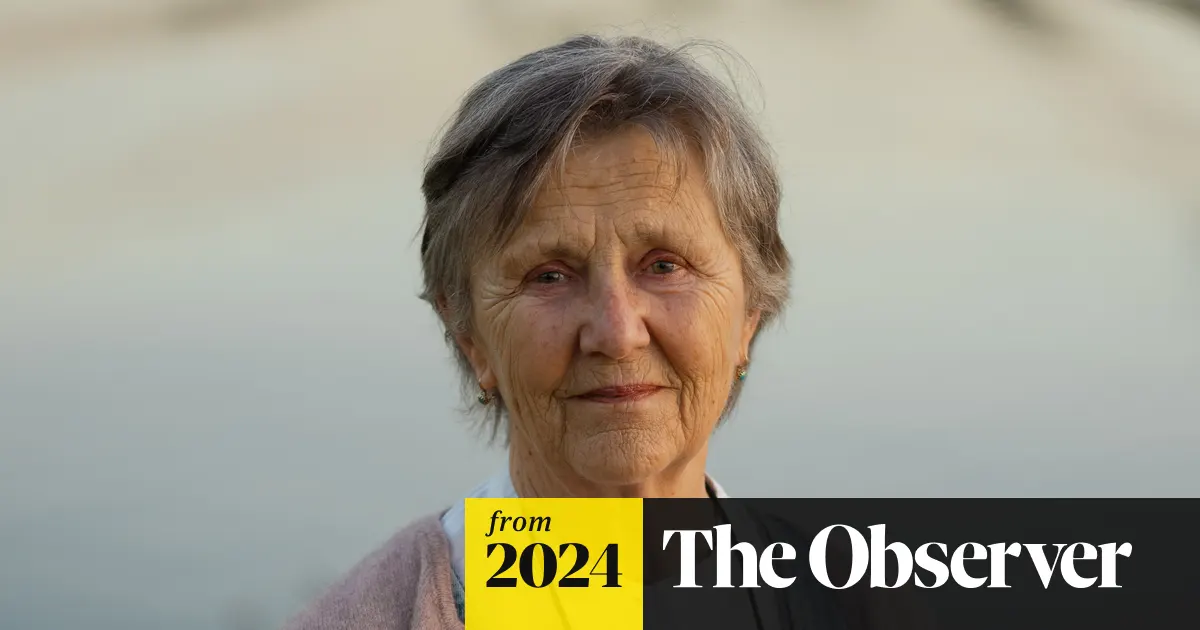
Helen Garner, born in Geelong, Australia, in 1942, is known for her diverse body of work, including novels, screenplays, and notable nonfiction. Before her acclaimed first novel, Monkey Grip, was published in 1977, Garner worked as a teacher and journalist. She gained prominence with works like The First Stone (1995), examining the complex dynamics of consent, and This House of Grief (2014), which recounts the trial of Robert Farquharson, convicted of murdering his three sons. Recently, new editions of her key works have been released in the UK, increasing her visibility in international literary circles.
Read More
Garner reflects on her newfound attention in the United States and the UK, noting she had never expected significant recognition outside Australia. Growing up, she observed that many of her contemporaries aimed to be published in London first, believing that success hinged on being overseas. However, Garner asserted that she never felt pressured to leave Australia, attributing that feeling to her modest academic background and her focus on authentic, lived experiences in her writing.
Discussing the initial reception of Monkey Grip, she recalls some criticism as harsh, particularly regarding her subsequent work, The First Stone. Garner faced significant backlash, with accusations of betraying feminism by suggesting that the victims of an alleged assault may have overreacted. Although she was shocked by the extent of the criticism, she now receives letters of apology from those who once condemned her views.
On the topic of the #MeToo movement, Garner expressed her initial support, appreciating the accountability it brought to certain individuals. However, she later became critical of the movement's tone and the notion of cancellation, which she finds troubling and counterproductive.
Garner's transition to nonfiction was influenced by her third husband, novelist Murray Bail, who maintained a hierarchy of literary forms that placed novel writing at the top. Although he never openly discouraged her, she felt compelled to carve out her own space in writing. This shift ultimately helped her to identify and embrace her role in nonfiction as she gained recognition through works like The First Stone.
Garner has a deep appreciation for courtroom settings, finding them rich with societal reflections. In her exploration of crime and morality, she conveys that the distinction between criminality and lawfulness is not clear-cut, likening it to a fragile membrane.
Influenced by American writer Janet Malcolm, Garner admires her focus on the nuances of human conversation. Although she once mused about pursuing psychoanalysis, she now believes that a career in law enforcement may have suited her better.
Currently, Garner is enjoying Javier Marías's A Heart So White and revisiting works by wartime authors such as Elizabeth Bowen. Her upcoming book will focus on her youngest grandson's football team and is set to release in November, as she wants to avoid distracting him during his exams. Garner expresses her passion for football, drawing parallels between its body language and Greek sculpture, and emphasizes that this work will delve into themes of masculinity.