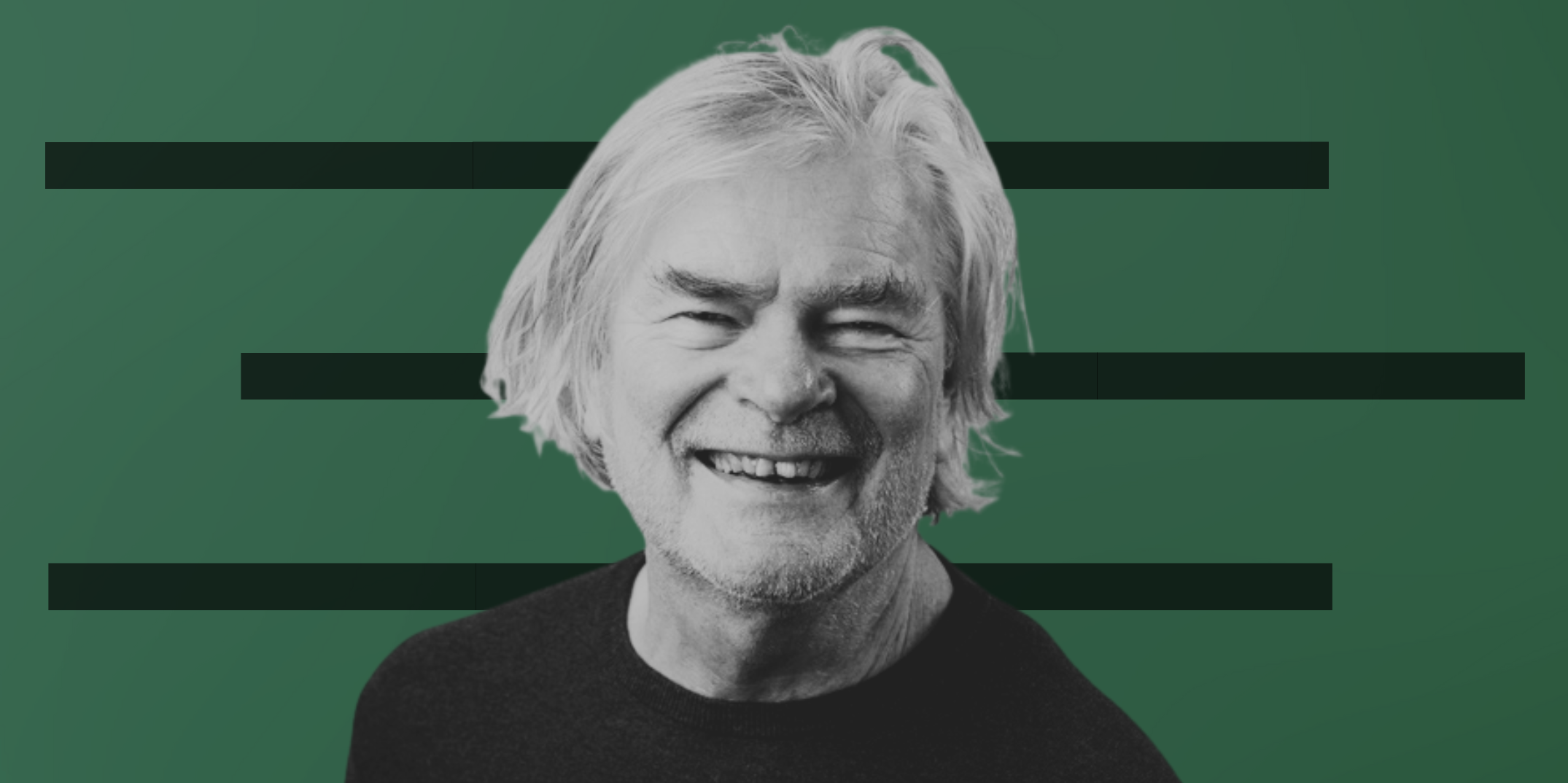
Maurice Riordan, a notable Irish poet, participated in a recent interview marking the 50th conversation in contributing editor Peter Mishler's series with contemporary poets. This series features renowned poets in collaboration with Literary Hub and Faber.
Read More
Riordan was born in 1953 in Lisgoold, County Cork. His poetic contributions began with his first collection, A Word from the Loki (1995), which received a nomination for the T.S. Eliot Prize, alongside The Water Stealer (2013). His work The Holy Land (2007) earned the Michael Hartnett Award. His upcoming anthology, Selected Poems (2025), encompasses selections from his 40-year career. Currently residing in London, he has taught at and held editorial roles, including Editor of The Poetry Review from 2013 to 2017.
In discussing the ordering of his Selected Poems, Riordan expressed surprise at editor Jack Underwood’s choice to avoid a chronological arrangement. The selection begins with "The Seven Songs of Myself" (2019) and concludes with "Floods," a poem from twenty years prior. Riordan noted that the reordering did not disrupt the unity of voice and theme over his career, and he found a consistent level of quality in his earlier works, contrary to his expectations.
Reflecting on his evolution as a poet, Riordan conveyed that, while he was once influenced by Hart Crane's romanticism, his approach shifted over time towards a more observational and sardonic style, inspired by poets like Elizabeth Bishop and Robert Frost. He acknowledged retaining an exploratory spirit in his writing, aligning with themes of self-discovery.
Riordan described periods following book publications as times when he would unconsciously cease writing, allowing for cognitive reorganization and new inspirations to emerge. He pointed out that while new poems might seem similar to outsiders, they reflect fresh explorations in his creative imagination.
When examining the motivations behind his poetry, Riordan stated that while he possesses no settled rationale, he finds joy in the insights that the writing reveals about himself. He emphasized the importance of creative imagination in all aspects of human history.
In terms of poetic habits, Riordan expressed caution against becoming too reliant on novelty or shallow surrealism, stressing that his aim is to balance the art of concluding poems without relying on stock tropes. He also mentioned his affinity for music, which he described as the highest art form, with a childhood incident of being discouraged from singing influencing his approach to poetry.
Riordan primarily writes on a laptop from an orange armchair, typically in the morning, a shift from his earlier practice of using notebooks. His writing process is characterized as binge writing—periods of inactivity followed by intense productivity.
He shared an example of this process post-publication of his second book, Floods, when he grappled with writing about his rural Irish upbringing. Initially, his attempts felt forced until an impulse led him to create prose poems, which organically became the core of his subsequent work, The Holy Land.
Exploring Irish literary traditions, Riordan noted a complex relationship with canonical English poets influenced by his upbringing in Anglophone Ireland. He acknowledged the presence of native Gaelic traditions within his work but also emphasized his focus on early medieval Irish writing, from which he drew artistic respect and understanding of poetic craft.
Addressing expectations within his own poetry, Riordan admitted a desire for a more public voice to connect with current events but recognized that personal experiences often require time to mature into poetic material.
Looking to the future, Riordan revealed that he has a prose work titled Rope scheduled for release next July, described as a contemporary commonplace book with associative ideas. He is also developing a new poetry collection titled Islands, though he remains cautious about discussing works in progress.