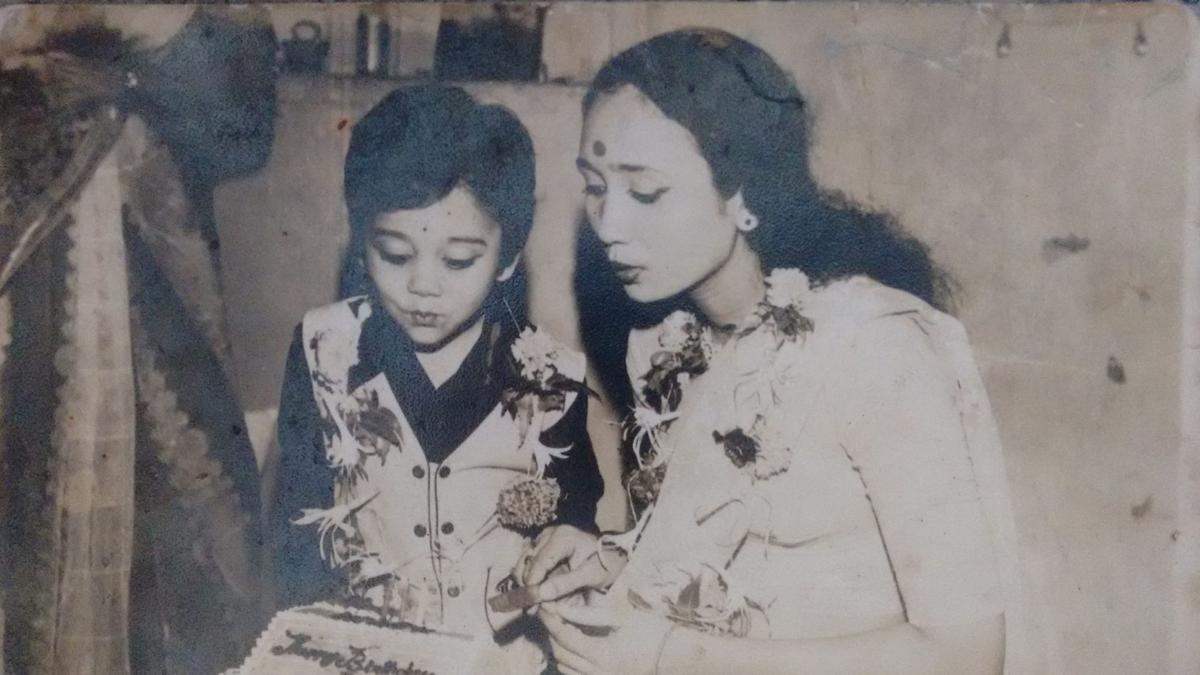
Manish Gaekwad's exploration of his mother's life as a tawaif in the kothas of Bombay and Calcutta began with a 2018 blog post. In it, he encouraged openness about their shared past, stating, "Ask me more if you are curious. It is not something I am ashamed of, neither should you hesitate." Since then, he has continued to share her story and his own.
Read More
In his recent memoir, 'Nautch Boy' (HarperCollins), Gaekwad reflects on his own experiences, shaped by his mother Rekhabai’s journey depicted in 'The Last Courtesan' (2023). His return to this narrative marks a more resilient and candid perspective on their intertwined lives, emphasizing the distance created by social disparities in education and opportunity that affected his mother.
Gaekwad discusses how this distance has fostered love and respect between them, stating it helped them see each other as individuals rather than just as mother and child. He believes that this perspective allowed him to appreciate his mother’s life before his own, transforming their relationship into one of friendship and mutual understanding. He argues that “extreme proximity blurs vision.”
In 'Nautch Boy', Gaekwad sharply addresses the violence that influenced his childhood both at the kotha and at the boarding school in Darjeeling. He describes life as a violent act and reflects on how recalling such experiences fosters kindness and forgiveness. He emphasizes that responding to violence with positivity is essential for survival and personal growth, stating, “I am not offering my other cheek for another slap. I am trying to smile and step away from it.”
This theme of kindness, rooted in his mother’s care and affection, intertwines with his literary influences, with Gaekwad noting how reading profoundly impacted him during his formative years. He believes that 'The Last Courtesan' provides essential context for understanding 'Nautch Boy', though he welcomes new readers to engage with either book first.
Looking ahead, Gaekwad expresses satisfaction in having shared these stories, suggesting he has found closure in his exploration of the kotha experience. He notes, “No more kothas for me. It’s a relief to get it all done and out.” He hopes that his work resonates with others' experiences. Currently, he is working on a modern fictional love story, intentionally moving away from the kotha setting.