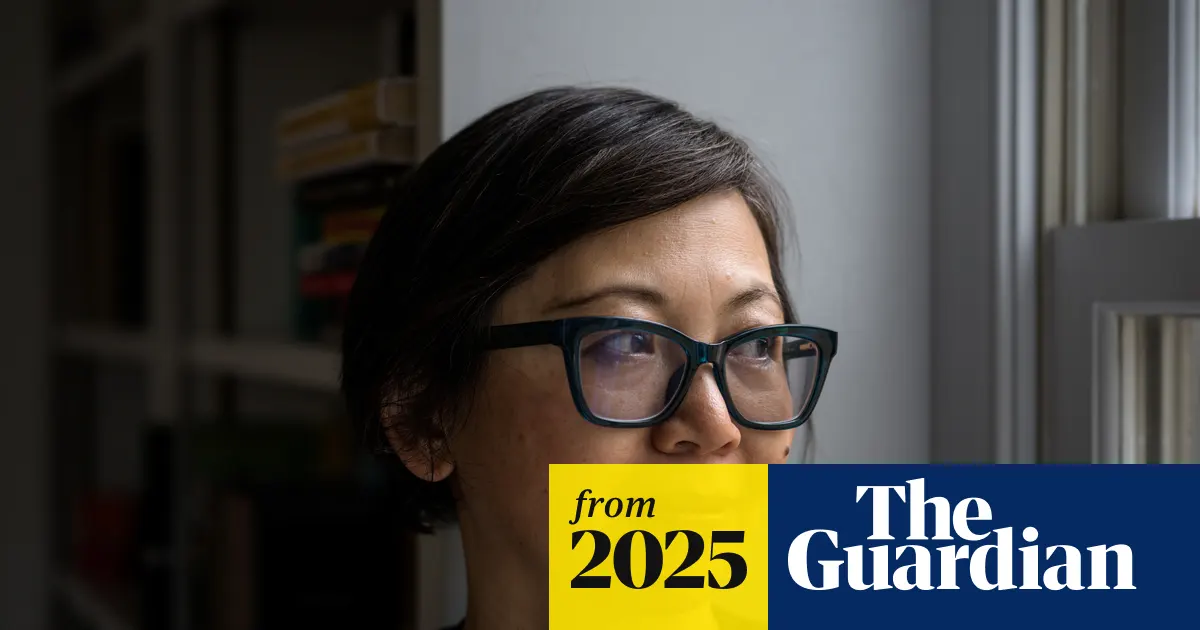
Yiyun Li, a novelist, has shared the profound tragedy of losing both of her sons to suicide. Vincent, her elder son, died in 2017 at the age of 16, prompting Li to write *Where Reasons End*, a novel framed as a dialogue between a mother and her deceased son. She described the bittersweet joy of reconnecting with Vincent through her writing, noting that it felt like he was alive again. After Vincent's death, she wrote 16 chapters, one for each year of his life, feeling both a desire to write endlessly and a need to move on.
Read More
The loss of her younger son, James, who died in 2024 at age 19, has been differently challenging. While her sons were close friends, they were distinct personalities. Li worries about how best to capture James's essence in writing, emphasizing his brilliance and unique way of thinking. After months of uncertainty about her vocabulary to describe James, she ultimately began writing again, realizing it was her craft. Her latest memoir, *Things in Nature Merely Grow*, is described as candid and unsentimental, with an emotional weight that resonates deeply.
Li wrote the memoir in under two months, yet she rejects the notion that writing is cathartic, stating instead that it provides solace through thinking. She likens the experience of writing to being in the center of a hurricane, where it feels calm and focused, but stepping back into life is chaotic. Hers is a unique existence shaped by her losses, and she feels the gaze of sympathy from others.
In her Princeton home, adorned with photographs of her sons and their artwork, Li finds solace in gardening, which she views as a practice in revising ambitions. She firmly believes that grief should not be viewed as a process with a definitive conclusion, stating, "My sadness is not my burden."
Li, who has authored 12 books and won a MacArthur genius grant in 2010, approaches teaching creative writing with a balance of distance and care. She warns her students against trivializing extreme emotions, emphasizing the complexity of grief.
After both sons' deaths, Li has received messages from others experiencing similar losses, leading her to remove her contact information from the internet; she prefers to touch lives through her writing rather than become a figurehead for bereaved parents.
She reflects on literature that guides her through grief, noting how her experiences mirror those of writers like Joan Didion, who convey their thoughts rather than overt emotions after a loss. Li points to her transformation through writing, noting how her experiences inform her creative work. Her upcoming trilogy, set around the turn of the 19th century, serves as a form of escape and immersion into her characters' lives.
Li believes her fiction has helped prepare her for real-life grief, revealing connections between her writing and her experiences as a mother. The timeless nature of her children transcends daily activities, leading her to reject the idea of a structured grieving process. In her view, the loss of a child reshapes time and space fundamentally, and her thoughts of Vincent and James will persist throughout her life.