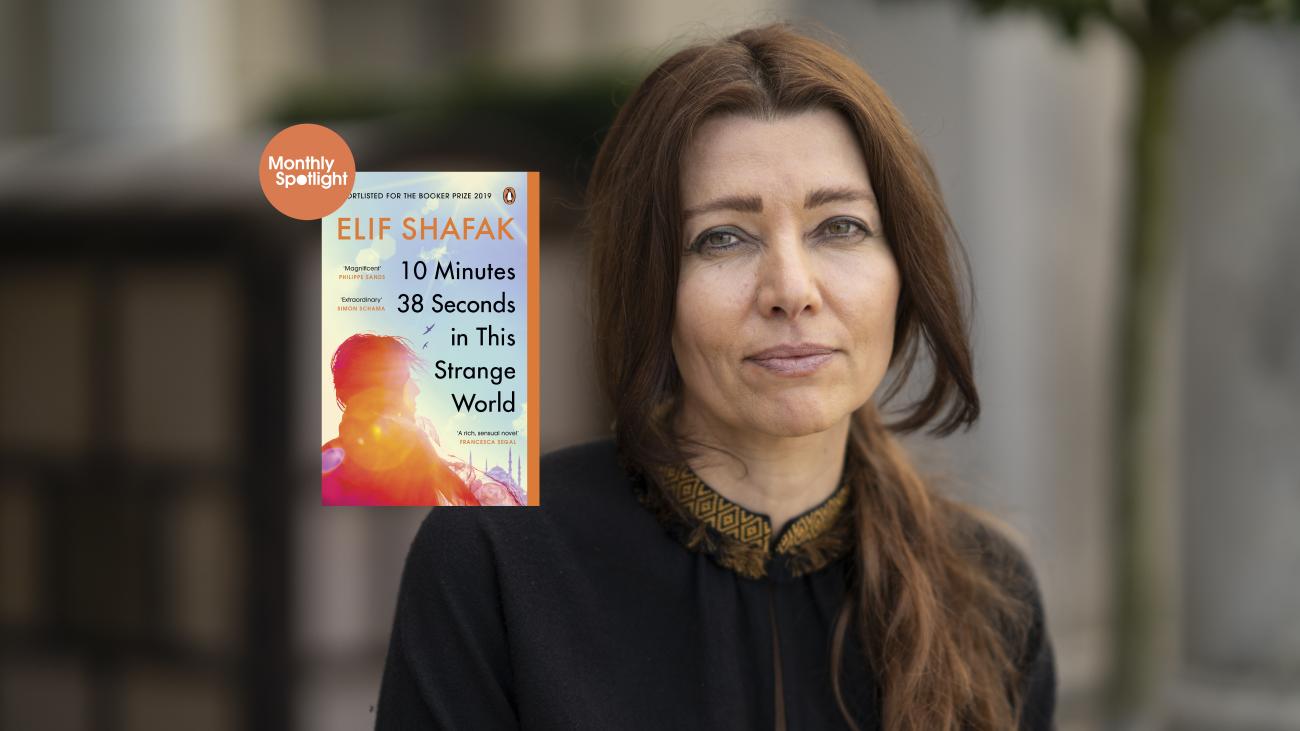
Elif Shafak’s novel, *10 Minutes 38 Seconds in This Strange World*, shortlisted for the Booker Prize in 2019, draws inspiration from the real-life death of a sex worker in Istanbul. Shafak explains her focus on individuals marginalized by society, stating that she is compelled to explore the silences surrounding these people. She reflects on a particular cemetery in Istanbul, known as The Cemetery of the Companionless, where those who have been ostracized, such as prostitutes and migrants, are buried without proper recognition. Their graves bear only numbers, stripped of personal identities. In her novel, Shafak aims to reverse this dehumanization by transforming one of these numbers into a named story, restoring the humanity that society overlooks.
Read More
Shafak also discusses the role of fiction in bringing attention to social issues like human rights, gender, and marginalization. She believes storytelling can highlight the perspectives of those often forgotten, particularly in her home country, Turkey, which she describes as grappling with collective amnesia. She emphasizes that history is frequently dominated by narratives of those in power, neglecting the voices of women and minorities. By asking who controls the narrative, she seeks to uncover untold stories and make them heard, even in the face of potential backlash.
Location plays a significant role in Shafak's work, with Istanbul vividly portrayed through its sights, sounds, and smells. She reflects on her experiences as an immigrant, contemplating themes of belonging and identity. Although physically distant from her homeland, she recognizes the emotional ties that persist, creating a sense of melancholy as well as a connection to her current home in the UK. Writing in a language that is not her native tongue, she navigates complex feelings about roots and belonging.
Critics have noted elements of magical realism in Shafak's work, and she acknowledges influences from authors like Gabriel Garcia Marquez and Toni Morrison. However, she challenges the strict classification of magical realism, arguing that life often intertwines the magical and the real. In her upbringing, spirituality and magic were integral to daily life, reflecting a blend of experiences that defy conventional literary boundaries. She aspires for her fiction to connect distinct cultural elements, bridging oral and written traditions, and intertwining the surreal with the political, ultimately revealing the interconnectedness of all aspects of identity.