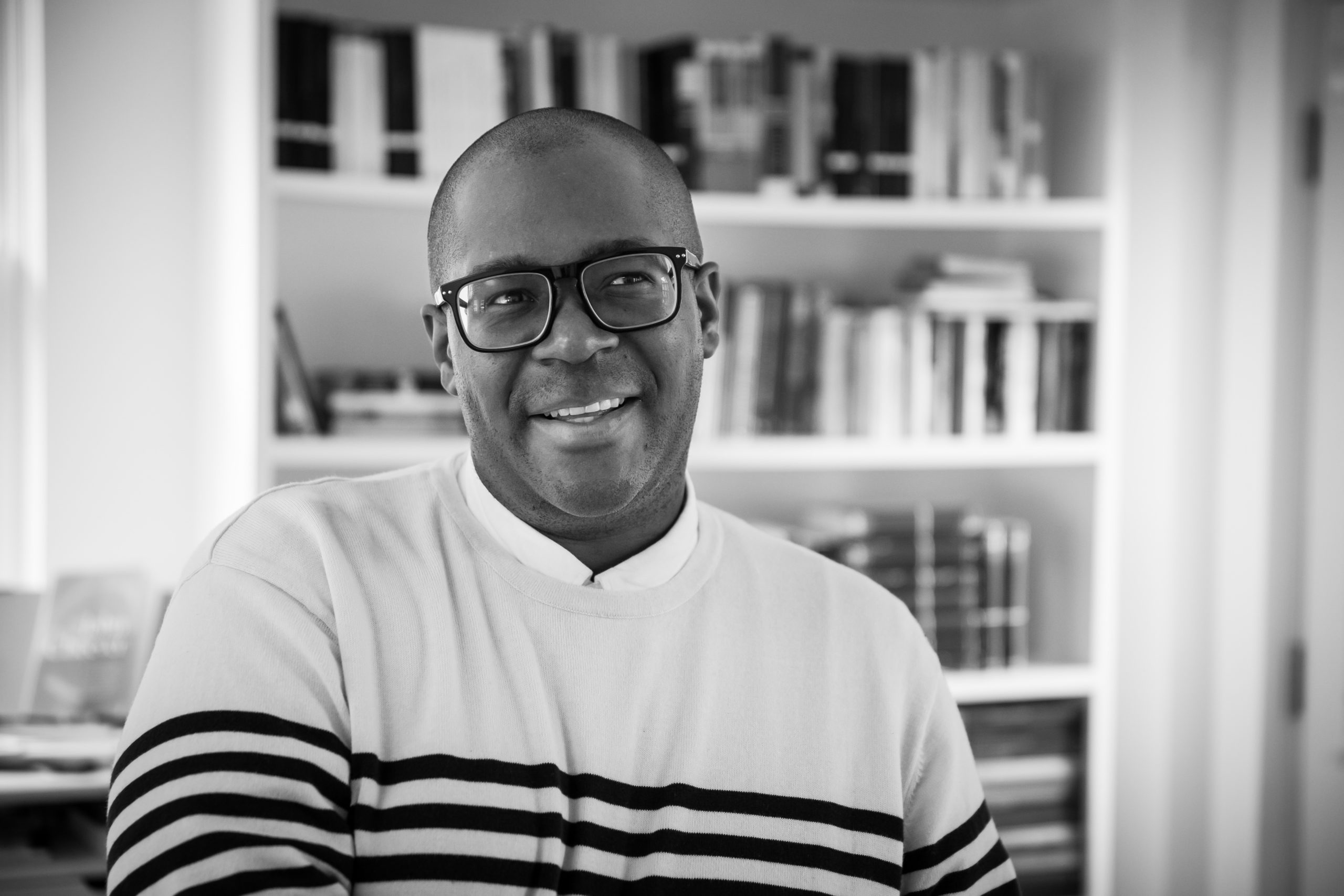
Brandon Taylor, author of the debut novel *Real Life*, has released a new collection of short stories titled *Filthy Animals*, available from Riverhead Books. This collection features young Midwesterners navigating their everyday lives, blending the mundane with the extraordinary.
Read More
In an interview with Juliana Ukiomogbe, Taylor described his ideal writing environment as one with ample background noise and natural light, emphasizing the need for elbow room. When it comes to sustenance while writing, he noted that he is often absorbed in his work to the point of forgetting about physical comforts.
Taylor maintains numerous notebooks but humorously indicated that he holds onto too many to be productive. He expressed admiration for a quote from *Pride and Prejudice*: "What are men to rocks and mountains?" He frequently revisits works by Mavis Gallant, Alice Munro, Jane Austen, and Danielle Evans, and recalls enjoying romance novels as a child from authors like Kathleen Woodiwiss and Johanna Lindsey.
Regarding his writing routine, Taylor stated that he typically produces about three complete drafts of a piece, along with several revised versions in between. He revealed that, despite the common question, he would "rather never write again than write a memoir," indicating a strong aversion to the genre.
In discussing screenwriting, Taylor highlighted Phyllis Nagy and Kelly Reichardt as favorites, acknowledging that both films and books offer distinct experiences that should not be directly compared. On the spiritual aspect of writing, he remarked that he does not consider it a spiritual practice but appreciates the opportunity to write.
Looking ahead to dinner guests, Taylor expressed a desire to dine with Mavis Gallant and critic Northrop Frye. His advice for aspiring writers centers around the importance of mastering scene writing and emotional honesty. He humorously deemed himself conventional and suggested that following established techniques might be worth considering. Though acknowledging the abstract potential of great writing, he reinforced that it can contribute to meaningful change.