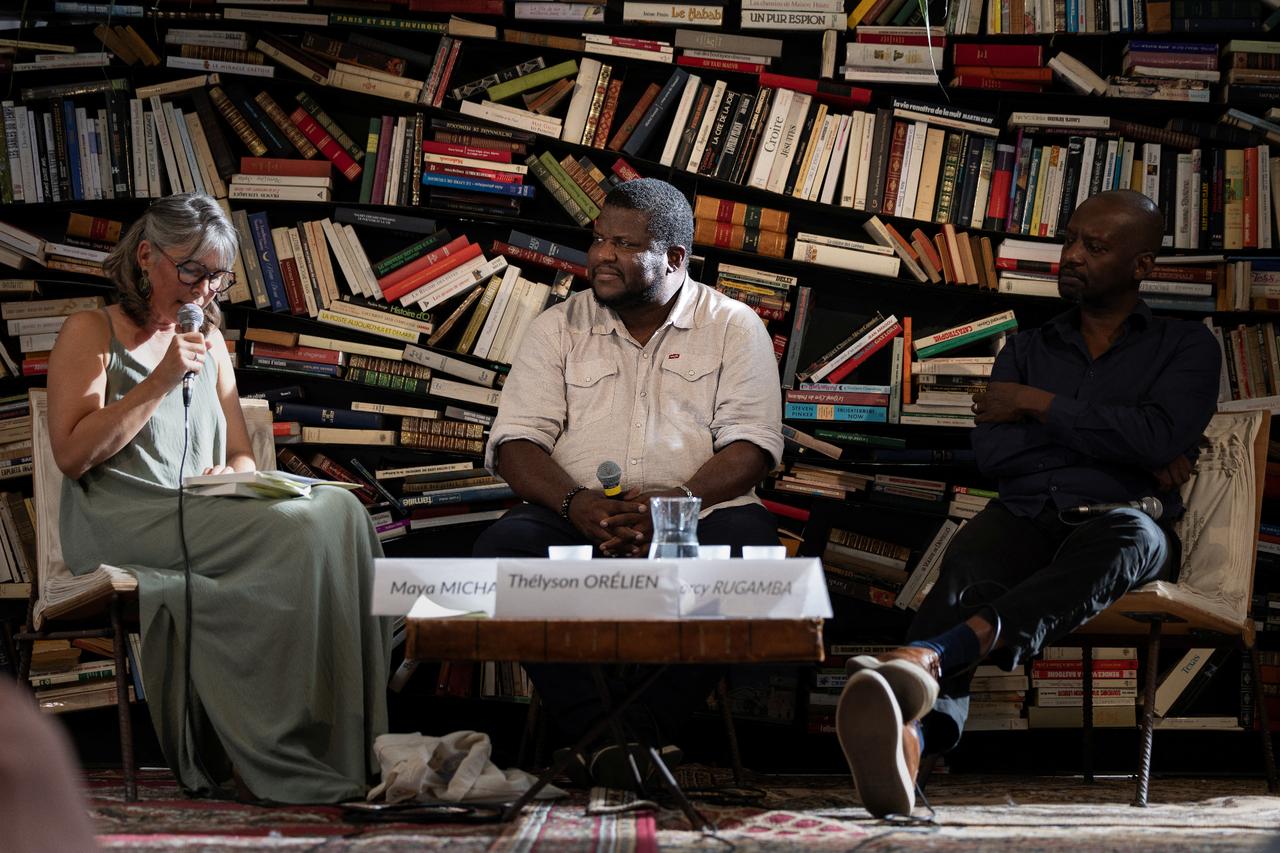
The Prix Goncourt, France's most prestigious literary award, has removed a novel by Canadian-Haitian writer Thélyson Orélien from its longlist following allegations that it was partially written by artificial intelligence. The Goncourt Academy stated that the decision aims to maintain the award's integrity and promote literature strictly authored by individuals.
Read More
Orélien's novel, "C’était ça ou mourir" ("It Was Either That or Die"), faced accusations first raised on a social media account called "Balance ton Claude." In response to these claims, the Academy indicated that evidence suggested the book might largely be an AI-generated work, alongside allegations of plagiarism. The novel was previously listed among over a dozen titles vying for the award, with the shortlist set to be revealed on October 6 and the winner announced in November.
In defending his work, Orélien denied utilizing AI for writing, asserting his commitment to traditional writing processes. He expressed frustration over the allegations, stating, "I've always loved creating and writing; I don't see why I would use a machine." He emphasized that he is compiling evidence with his publishers to substantiate his authorship.
Samuel Fitoussi, an essayist for Le Figaro and a member of the collective behind the "Balance ton Claude" account, expressed that the aim of exposing the claims was to safeguard the literary landscape, fearing that reliance on AI could endanger the art of reading and writing. He acknowledged that as AI evolves, it may produce high-quality works autonomously, posing questions about the future of human authorship.
Amid these developments, Boreal, Orélien’s Canadian publisher, has suspended promotional activities for the novel, citing concerns for the author's well-being and urging the public to refrain from premature judgments until further information is available.