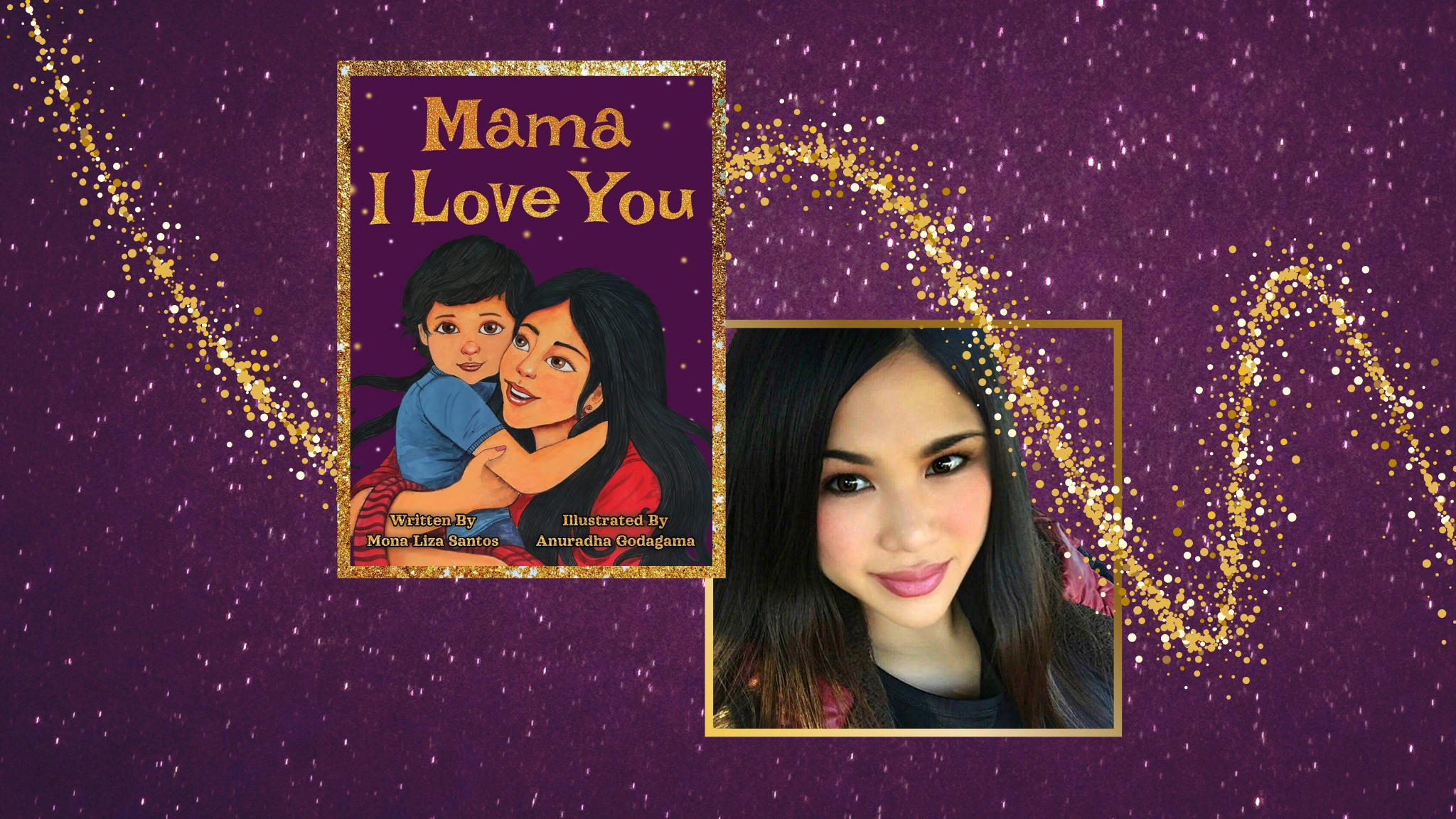
In her book, Mama, I Love You, author Mona Liza Santos highlights the profound and often understated aspects of motherhood, emphasizing love expressed through presence, sacrifice, and everyday gestures. Drawing from her own life experience as both a mother and the child of strong women, Santos imparts emotional honesty and tenderness that resonates across generations. In a recent conversation, she reflects on the book’s inspirations, the various forms of motherhood, and the enduring impact of simple acts of love.
Read More
Santos reveals that she never anticipated becoming a mother, but when it happened, her son inspired her deeply. His presence led her to experience love in its most instinctual form, reshaping her understanding of motherhood. Santos also acknowledges the significant influence of her grandmother, who modeled unconditional love and care. "Motherhood isn’t only about biology—it’s about showing up, nurturing, protecting, and loving without limits," she explains. The narrative conveys that love is often felt through actions rather than words, a lesson she aims to honor in her writing.
Reflecting on her childhood, Santos recalls her biological mother working abroad while she was raised in the Philippines by her grandparents. Although her mother was physically absent, Santos learned that motherhood transcends proximity, embodying responsibility and sacrifice. Her grandmother's everyday presence illustrated the importance of consistency and care in nurturing a child.
Santos hopes young readers glean the message that love can be conveyed in various forms. She emphasizes that children don’t need grand expressions to recognize love; it manifests in the small, comforting moments that define their experiences. For mothers, she wants the book to provide reassurance, reminding them that love doesn’t need to be perfect or grand to be impactful.
Writing for children, Santos notes the importance of simplicity in conveying complex emotions like love and sacrifice. She strives to reflect a child's point of view, focusing on relatable experiences that resonate with young readers.
Balancing her writing with motherhood is a challenge she acknowledges, as responsibilities often take precedence. Santos emphasizes the importance of blending writing with daily life rather than waiting for ideal conditions. She encourages aspiring authors to embrace unexpected moments as opportunities for creativity.
Santos elaborates on her collaboration with illustrator Anuradha Godagama, whose watercolor style beautifully complements her writing. The illustrations not only enhance the narrative but also evoke emotional connections, making the story resonate even more with children.
Looking ahead, Santos is excited to explore themes of emotional awareness and self-acceptance in her future writing while continuing to nurture the love of reading in children. She believes that fostering a connection to reading can be achieved by making it an enjoyable and engaging experience, tailored to a child’s interests.
Ultimately, Santos sees her work as a bridge between children and their caregivers, nurturing kindness and self-esteem through the recognition of everyday love. The rewarding aspect of writing children’s literature, especially a tribute to mothers, lies in the realization that her personal experiences can resonate with others, strengthening bonds and shared moments within families.