Erik Larson, a narrative historian known for his detailed portrayals of historic events intertwined with crime, has garnered significant attention for his approach to writing. Influenced by acclaimed authors P.D. James and Truman Capote, Larson specializes in exploring the intersections of technological advancements and gruesome realities in his nonfiction works.
Read More
Larson's breakthrough book, Isaac’s Storm: A Man, a Time, and the Deadliest Hurricane in History, recounts the 1900 Galveston hurricane, examining the role of weatherman Isaac Cline and businessman William Marsh Rice, the founder of Rice University. In The Devil in the White City: Murder, Magic, and Madness at the Fair That Changed America, he merges the narrative of Chicago's 1893 World’s Columbian Exposition with the shocking tale of serial killer Dr. H.H. Holmes. This book was a finalist for the National Book Award and won the Edgar Award for “fact crime” writing, remaining a bestseller for over three years. Leonardo DiCaprio has since acquired the film rights, intending to portray Holmes himself.
Larson has continued to produce compelling titles, including Thunderstruck, In the Garden of Beasts: Love, Terror, and an American Family in Hitler’s Berlin, and most recently, The Demon of Unrest: A Saga of Hubris, Heartbreak, and Heroism at the Dawn of the Civil War, released earlier this year. In a 2012 interview, Larson shared insights into his research process, emphasizing the thrill of archival exploration.
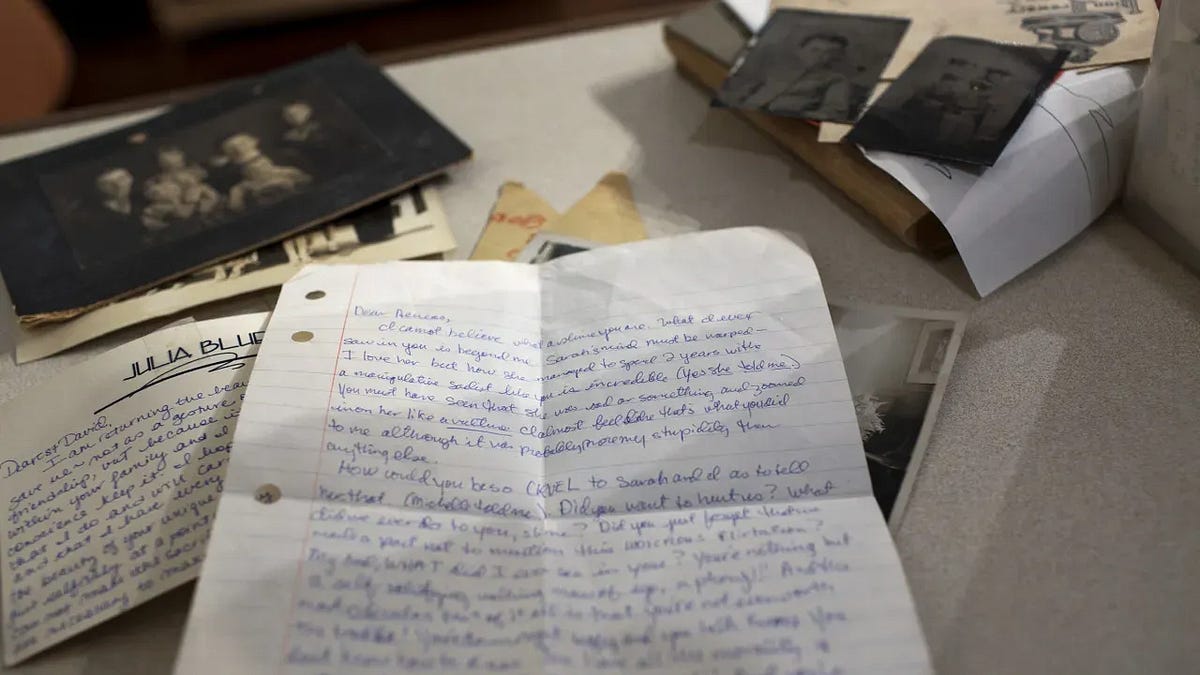
He begins his research with broad survey histories before honing in on specific details through diaries, letters, and other intimate documents. Larson notes the importance of serendipity in research, explaining that unexpected discoveries can lead to valuable insights. For example, while researching In the Garden of Beasts, he found calling cards belonging to significant figures like Hermann Göring, which added a tangible connection to the history he was depicting.
Larson also highlights the importance of visiting locations related to his subjects. For instance, while working on The Devil in the White City, he gained a deeper understanding of Chicago by witnessing the power of Lake Michigan, which he considers a character in its own right. When researching in Berlin for In the Garden of Beasts, he experienced an epiphany when he realized the proximity of significant historical sites, which helped him grasp the narrative's context.
In terms of organization, Larson avoids spending extended periods in one location reading exhaustively. Instead, he photocopies or digitizes potentially valuable documents, creating an indexed system to organize his findings. He emphasizes chronological order as key to storytelling, allowing him to present events in a way that maintains historical coherence. Through his unique approach, Larson brings past events to life, ensuring they resonate with his readers.