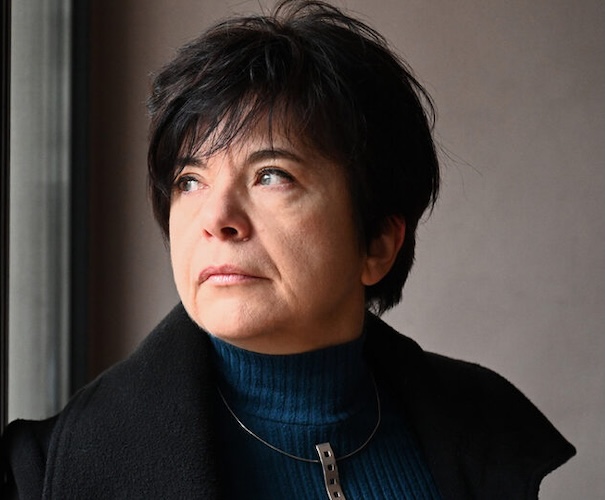
Iana Boukova’s novel, Traveling in the Direction of the Shadow, invites readers to embrace a narrative style rich in digression, folklore, and lyrical language. Translated from Bulgarian by Ekaterina Petrova and published by New York Review Books, the novel spans 296 pages and is priced at $19.95.
Read More
The narrative consists of eight interconnected stories that challenge conventional storytelling by moving away from linear plots. Instead, Boukova's work encourages readers to engage with its meandering structure. Set against an imagined Balkan backdrop, the first part of the book begins in 1827 and evokes a timeless quality, rich in myth and tradition, while Part Two shifts to the experience of a Dutchman in a late 19th-century urban environment, captivated by the idea of travel.
Throughout the stories, characters are vividly portrayed through their physicality, with the narrative exploring their lives and interactions in what is now Bulgaria. The theme of travel is central, with water serving as a recurring motif, adding depth to the storytelling.
The prose is sensory and immersive, inviting readers to engage with the world through sight, sound, taste, and touch. An example captures this vividly: a boy experiences a church bell's toll not only with his ears but through his entire body, illustrating the profound connection between sound and sensation.
Petrova’s translation preserves the whimsical nature of the stories while infusing them with a sense of cultural depth, allowing specific terms from Balkan folklore—such as rakia (hard liquor) and popadia (the wife of an Eastern Orthodox priest)—to resonate in their original form.
Each story presents a distinct character, including Iovana, a plague-stricken mother; Ismail Çelik, a gambler enchanted by a magical tapestry; and Ian Van Athen, a Dutch scholar drawn into a world far beyond his studies. The narrative also meditates on concepts like mercy, intertwining philosophical reflections with vivid imagery.
While the circuitous nature of the storytelling might challenge some readers, those willing to surrender to its rhythm may find themselves transported to a unique and enchanting realm. Ellen Elias-Bursać, a seasoned translator, adds depth to the dialogue around the complexity of translation and cultural representation through her long-standing expertise in Slavic literature.